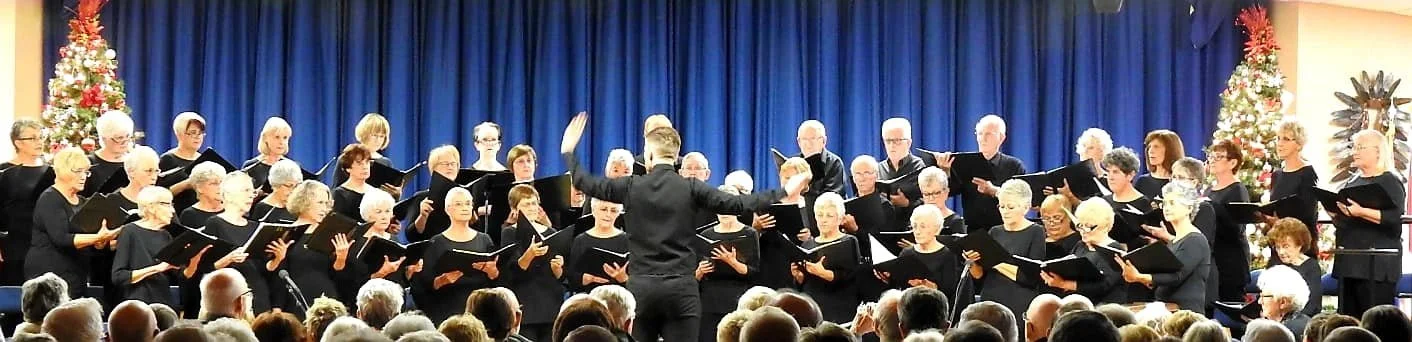
Grammy-Award Finalist Topher Keene is widely regarded as one of America’s top Acting, Singing, and Public Speaking Coaches.
From teaching kids to sing their first solo, to helping Film and Television Stars perfect their roles, to helping pro Vocalists record hit albums, to helping YouTubers and Podcasters refine their vocal skills, to helping CEOs and Executives improve communication and presentation skills, Topher Keene can help anyone develop a powerful and confident voice and improve their performance skills.
Audition Monologues for Roles Where Characters Experiment With Something New, Vol. 4
Every working actor I coach struggles with the same trap: rehearsing a monologue until the discovery dies. The performance becomes a recital instead of a scene. Characters trying something new give you a defense against that, because they are mid-experiment all the way through. They cannot land cleanly because they don't know what's coming. Use these to break the recital habit. Read cold. Make different choices each time. Let the unfamiliarity be the engine of the work. Ten new monologues, ten more chances to be honestly off-balance in front of someone watching.
Audition Monologues for Roles Where Characters Experiment With Something New, Vol. 3
The most-watchable performers are the ones who let you see them think. The fastest way to develop that on-screen quality is to rehearse characters who are doing something they have never done before. The thinking isn't decorative; it is the spine of the scene. Practice monologues built around firsts give you a built-in reason to be present, alert, unpolished. That is the texture casting wants from actors who can carry a role. Use this volume to rebuild your habit of discovery. Ten characters, all of them in the middle of figuring it out.
Audition Monologues for Roles Where Characters Experiment With Something New, Vol. 2
Casting directors will tell you the most common note they give in callbacks is make a choice. Practice monologues are where you build that muscle. When you take on a character experimenting with something new, every line forces a fresh response. There is no autopilot. The character doesn't know what they're doing, so the actor can't either. That's the gift. Discomfort sharpens performance. Each monologue here puts a character in the middle of trying something for the first time. Use them to build cold-read speed, callback range, and the willingness to be visibly figuring it out in front of the people in the room.
Audition Monologues for Roles Where Characters Experiment With Something New, Vol. 1
Practice monologues live or die on the actor's willingness to stretch. Casting rewards specificity, but specificity is built far outside the comfort zone. Characters experimenting with something new are pure gold for this kind of work. Discovery, fear, embarrassment, breakthrough, doubt, joy. All of it shows up in a single scene because the character is meeting themselves in unfamiliar territory. That is exactly what casting wants to see: the small, honest decisions an actor makes when nothing is automatic. Use these for cold reads, callback prep, or weekly studio work. Ten characters, ten flavors of brand-new.

Slice of Life Anime Monologues for Voice Actors, Vol. 10
These six pieces are set in adult life. Coffee shops that are about to close. Apartments shared with people who matter. The phone call at the end of a long day. The walk from the train to the front door. Each one is short, calm, and surprisingly demanding. The actor who can deliver these without sounding like they are auditioning is the actor who is auditioning successfully.

Slice of Life Anime Monologues for Voice Actors, Vol. 9: Memory
These six monologues are memory pieces. Some of them are spoken in the present-tense, while the character is in the middle of a memory-laden moment they will look back on later. Some of them are spoken from the future, looking back. Two of them are spoken at the same place at two different ages — to let an advanced voice actor demonstrate range across a single location.

Slice of Life Anime Monologues for Voice Actors, Vol. 8
These six pieces are set in small rooms with small populations. A woman feeding a stray. An older neighbor visiting an empty apartment. A child sitting with a sleeping dog. A young man writing a letter to a cat who has died. Each one is built around a relationship most plot-driven stories would consider minor — and which slice of life understands to be the whole of a person's life.

Slice of Life Anime Monologues for Voice Actors, Vol. 7: The Childhood Friend
The osananajimi — the childhood friend — is one of the most enduring archetypes in slice of life anime, and it produces some of the genre's most rewarding voice work. The vocal challenge is specific. You have to play a character who knows another character so well that performance has been entirely sanded away by familiarity. There is no flirtation here. There is no posturing. There is the texture of a relationship that has been continuous since the speakers were five years old. That texture cannot be faked; it has to be inhabited.

Slice of Life Anime Monologues for Voice Actors, Vol. 6: The Seasons
These six monologues are seasonal transition pieces. Cherry blossom afternoons. The first hot week of summer. The morning after the first cold night of autumn. The last day of school before winter break. Each one rewards an actor who has thought about what the air feels like in that moment, and who can let that thinking change the voice without performing the change.

Slice of Life Anime Monologues for Voice Actors, Vol. 5: The Rooftop
These six monologues are friendship pieces — and friendship pieces include the friendship of solitude, the relationship between a teenager and their own thoughts, which is its own kind of scene partner. Each piece sits on a rooftop or someplace that functions like one — somewhere the character has gone deliberately to not be overheard. Listen for the way the air changes when a teenager believes they are alone. That is the sound this collection is asking you to make.

Slice of Life Anime Monologues for Voice Actors, Vol. 4: The Kitchen
All six pieces in this volume are set in kitchens. A mother making breakfast. A grandchild at the grandmother's stove. A teenager forced to cook for the first time. A father not quite saying what he wants to say. Each one is a small scene that lives or dies on whether the actor can deliver the lines without looking up. Voice acting is not visual, but the listener can hear when an actor is looking down, and that downward gaze is doing some of the dramatic work for you. Use it.

Slice of Life Anime Monologues for Voice Actors, Vol. 3: The Late Shift
The convenience store, the family restaurant after midnight, the all-night cafe, the bookstore the moment before closing — every one of these locations produces a specific kind of speech, and the voice actor who can produce it on demand is the voice actor who books work. The voice gets lower, slower, more honest, and weirdly more articulate, because by then you have used up all the energy you would normally spend hiding what you actually think.

Slice of Life Anime Monologues for Voice Actors, Vol. 2: The Walk Home
If you are training to book anime voice work, learning to inhabit the walk-home register is not optional. The casting calls do not always announce themselves as walk-home material — they will say things like "quiet teen confession," "introspective evening scene," "warm conversational delivery." That is the walk home. Inside, you should already be hearing the soundtrack of footsteps on gravel.

Slice of Life Anime Monologues for Voice Actors, Vol. 1: Daybreak
You have watched the shows. You have rewound the scenes that wrecked you. You may have even recorded a few takes alone in your bedroom, with the door locked, hoping no one could hear you trying to sound like a fifteen-year-old who has just realized something quiet and devastating about themselves. That is exactly the right starting place.
Monologues for Voice Acting, Vol. 10
The booth is small. Smaller than people think. Six feet of foam and one good microphone, and inside that little box you have to be all the people you've ever auditioned to be. These ten monologues are a workout for that small room. Loud, quiet, real, ridiculous.

Monologues for Voice Acting, Vol. 9
Monologues give voice actors a compact way to practice range, intention, and scene-building. Each piece demands a specific audience, emotional shift, and vocal texture. Use these scripts to explore styles found in real auditions, from animation and commercials to games, narration, trailers, audio drama, and educational voiceover.

Monologues for Voice Acting, Vol. 8
Range is a word casting throws around like it's a noun. It's not. It's a verb. It's the work of moving from a whisper to a war cry without faking either. These ten monologues each ask for a different version of you. Find the one that's already in your voice.

Monologues for Voice Acting, Vol. 7
Monologues are valuable practice tools for voice actors because they reveal range, rhythm, and emotional precision. A strong practice piece challenges the performer to create a whole scene with only one voice. Use these varied scripts to explore commercial reads, animation, games, narration, drama, comedy, suspense, and character-driven storytelling.
Monologues for Voice Acting, Vol. 6
Casting directors don't hire voices, they hire choices. A specific person, in a specific room, wanting a specific thing. These ten monologues each hand you a different room and a different want. Sit inside the silence before the first line. That silence is where the audition gets won.
Monologues for Voice Acting, Vol. 5
Monologues give voice actors a focused way to test character, pacing, tone, and emotional flexibility. A single speech can become a commercial, cartoon, game scene, narration sample, or dramatic audition. Use these pieces to practice clear choices, active listening, vocal texture, and believable reactions in varied performance styles.