
Grammy-Award Finalist Topher Keene is widely regarded as one of America’s top Acting, Singing, and Public Speaking Coaches.
From teaching kids to sing their first solo, to helping Film and Television Stars perfect their roles, to helping pro Vocalists record hit albums, to helping YouTubers and Podcasters refine their vocal skills, to helping CEOs and Executives improve communication and presentation skills, Topher Keene can help anyone develop a powerful and confident voice and improve their performance skills.
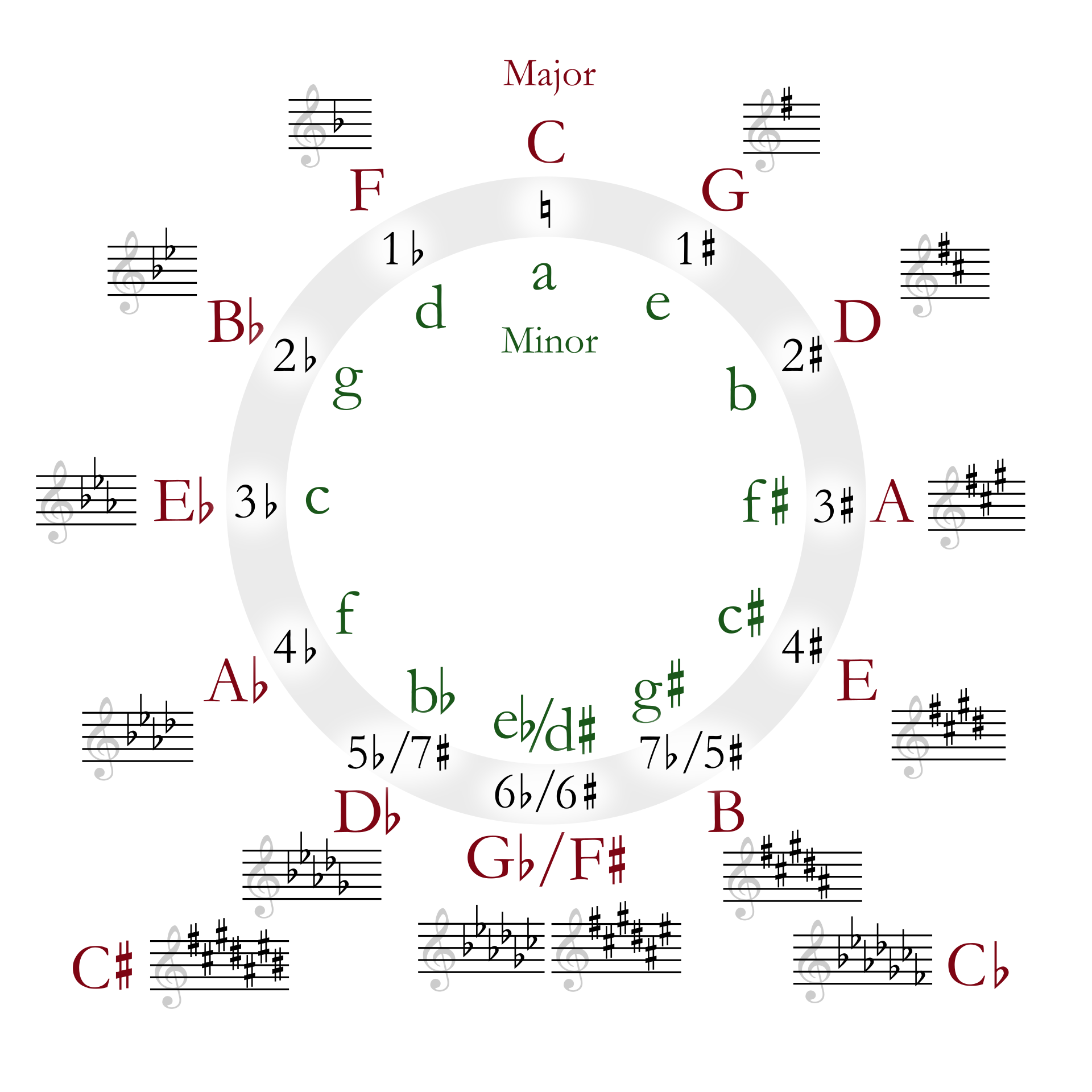
There's No "Right Key" for Your Voice — Here's How to Find the Best Key for Every Song
There is no single right key for you as a singer. You don't have one key that works for everything. You're not "a singer in the key of G." That's not how any of this works, and misunderstanding this concept holds more singers back than almost any other technical misconception I encounter.
What you have is a range. What every song has is also a range. Your job — every single time you approach a new piece of material — is to find the key where those two ranges overlap in the most comfortable, expressive, and vocally healthy way possible. And that key will be different for every song you sing.

Stop Playing One Emotion Per Scene: How to Color-Code Your Script and Deliver a Performance That Actually Lands
The actors who book work and hold attention on stage are the ones who understand that every scene is a cocktail of competing emotions, and the magic happens in the transitions between them. Here's the framework I use with my students to break that pattern.
How to Pick the Right 16-Bar Cut for Any Musical Theater Audition
If you've been to more than a handful of musical theater auditions, you've heard the same instruction. "Please prepare a 16-bar cut." Sometimes 32 bars. Sometimes a minute. Whatever the specified length, the meaning is the same: we don't have time to hear your whole song, and we want you to show us who you are in the smallest possible window.

Vibrato for Singers: Why It's Not Just a Technical Problem
If you've been chasing vibrato — watching tutorials, doing exercises, trying to manufacture that warm oscillation in your tone — I want to offer you a perspective shift that might save you months of frustration. Vibrato is often treated as a purely technical skill, something you build through specific drills and muscle training. And yes, technique matters. But in my experience coaching singers across styles, the biggest breakthroughs in vibrato almost never come from a new exercise. They come from something far less obvious.

Singing While Sick: What's Safe, What's Risky, and When to Cancel the Gig
Every working singer faces this dilemma eventually, and the stakes are real. You have a performance — a show, a wedding, a recording session, an audition — and you woke up sick. You've got a sore throat, or a head cold, or your voice sounds an octave lower than it should, or there's a deep cough you can't get rid of. You're now trying to make a decision in real time, often without the information you need to make it well: do I push through, or do I cancel?

Preparing a Monologue for a Film Audition: The Frameworks That Actually Help
The film audition monologue is a strange artifact. You're delivering material in isolation, often without a scene partner, often without context for the larger work, often through a phone camera in your living room. Yet this brief performance is what stands between you and the role. Whether you book the work depends on whether your monologue communicates that you're the right performer for the part.

Building a Home Voiceover Studio: The Three Pillars of Recording Quality
Sooner or later in your voiceover journey, you reach the moment of truth. You sit down in front of a microphone, hit record, and have to deliver. What you produce in that moment depends less on the gear than on something most beginners get wrong: the recording environment itself.
Here's the principle that matters more than any other when setting up your home studio: what your recording space looks like is irrelevant. What matters is how it sounds.

Trust Your First Instinct: Why Second-Guessing Sabotages Voice Acting Auditions
A specific moment happens in nearly every voice actor's development. You're recording an audition. You do three takes. Your gut tells you the third take is your strongest. Then you start questioning. Maybe the first take was actually better. Maybe the second one had something the third lacked. Maybe you should rearrange them so the second take leads.
Adult Beginner Singing Lessons: What to Expect When You Start Voice Training in Your 30s, 40s, or 60s
If you've been thinking about starting voice lessons but you keep talking yourself out of it because you're "too old," I want to settle that question right now. You aren't. I've taught beginners in their 30s, 40s, 50s, 60s, and 70s. I've had a 75-year-old come in with no singing experience whatsoever and walk out, months later, able to sing comfortably with their grandchildren. The adult voice is fully trainable. What's holding most adult beginners back is not their voice. It's the story they tell themselves about what their voice is allowed to do at their age.

Surviving a Three-Week Run: Vocal Health Strategies for Performers in Demanding Productions
The first time you're cast in a leading role with a multi-week performance run, reality sets in quickly. The audition was one performance. Maybe your callback added another. Then you booked the role and started rehearsals. By the time opening night arrives, you've been working the material for weeks. Then you have to deliver that material at full performance level, eight to twelve times across three weeks, while maintaining your job, your relationships, and your basic functioning as a human being.
Executive Presence Through Voice: How CEOs and Founders Can Sound More Confident in High-Stakes Meetings
You've done the work. You've built the company, raised the round, hit the numbers, earned your seat. Then you stand up in front of a board, an investor panel, a press camera, or an all-hands, and something happens to your voice that undercuts everything you've earned. It rises in pitch. It gets thinner. It speeds up. The breath shortens. You hear yourself sounding small or tentative, and you can see the room responding to that smallness even when the substance of what you're saying is exactly right.

Cold Reading for Actors: How to Make Strong Choices With a Script You've Never Seen
The cold read is one of the most exposing skills in acting, and one of the least practiced. You walk into a room, or open the email with sides attached, and you have anywhere from thirty seconds to twenty minutes to turn an unfamiliar piece of text into a performance. No preparation. No rehearsal. No coach to walk you through the beats. Just you, the page, and a casting team waiting to see what kind of actor you are when you can't lean on rehearsal.

How Female Singers Can Tackle Male-Written Songs
There's a frustrating reality for many female singers exploring contemporary musical theater repertoire: a huge percentage of the most exciting music is written for male voices.
The contemporary musical theater canon includes some of the most demanding, rewarding, vocally exciting material ever written for the stage. Songs from shows like Hadestown, Epic the Musical, Hamilton, and many others feature male leads with vocal lines that singers want to perform regardless of gender. The problem is that these songs are typically written for tenor or baritone voices and don't sit naturally for female singers used to alto or soprano repertoire.

Building Anime Character Voices: Vocal Fry, Compression, and Multiple-Take Strategies
Anime voice acting has its own technical vocabulary that doesn't always translate from general voice acting training. The vocal qualities that make anime characters sound distinctly anime, the heightened emotional intensity, the specific archetypes, the particular techniques that produce iconic character voices, all of this requires its own focused study.

Vocal Compression and Expansion: How to Build Distinctive Character Voices Without Damaging Your Instrument
Voice actors building character voice range run into a specific technical challenge: how do you produce significantly different voices without straining your throat?
The instinct for many developing voice actors is to physically squeeze, clamp, or constrict their throat to produce different sounds. A higher pitch gets achieved by tightening. A character voice gets achieved by gripping. The result might sound somewhat like the target character, but it produces strain, fatigue, and potentially long-term damage to the voice.

Demo Reel vs. Showreel: Building the Right Career Materials for Voice Acting
In American voice acting industry usage, a demo reel is a curated collection of performances designed to showcase what you can do. It's typically composed of original recordings, often produced specifically for the demo, presenting you in your best light across various character types or commercial styles. Casting directors and agents use demo reels to evaluate potential collaborators.
How to Choose a Vocal Coach: The Questions to Ask Before Booking Your First Singing Lesson
Picking the right vocal coach is one of the highest-leverage decisions a developing singer or speaker can make, and it's also one of the easiest decisions to get wrong. The wrong coach will waste your time and money for months — or worse, teach you habits you'll spend years undoing. The right coach can compress years of fumbling into months of focused progress and become the most important professional relationship you have for as long as you keep training.

Returning to Singing After a Break: How to Rebuild Your Voice Without Starting Over
Welcome back to singing. The instrument is still yours. The communities are still there. The work begins now, from where you are, with whatever voice you have today.

Learning From Other Singers Without Copying Them: The Math Test vs. Essay Test Approach
Most singers learn by listening to other singers. You hear someone you admire, you study their work, and you absorb lessons about phrasing, technique, and style. This is how vocal traditions get passed down through generations, and it's an essential part of any singer's development.
The trap is when this listening becomes imitation. You stop learning from singers and start trying to become them. The result is a voice that sounds like an echo of someone else rather than a developed version of yourself.
The Color Wheel Method: How to Add Emotional Depth to Voice Acting Performances
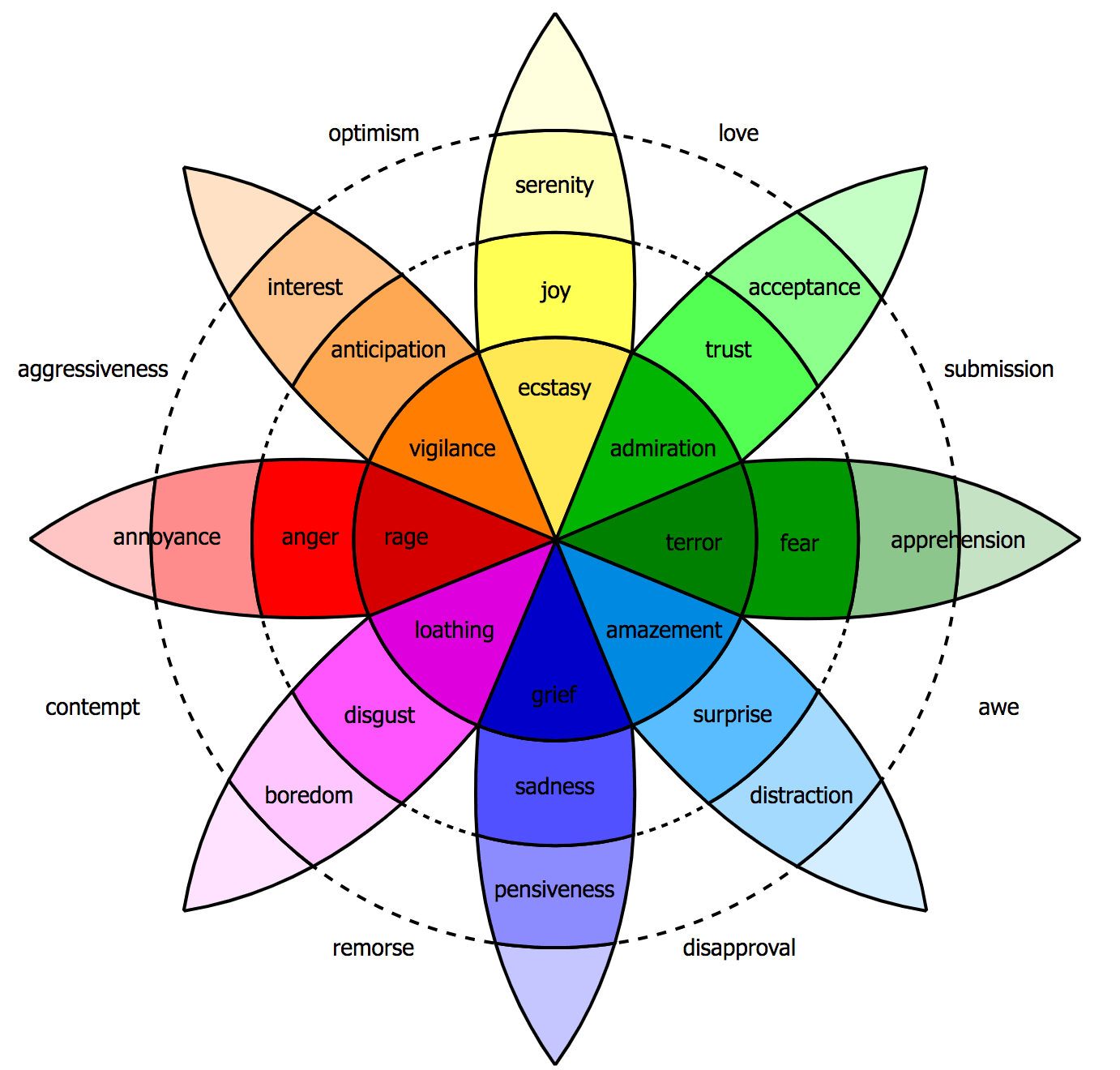
Most voice acting performances by developing actors share a common weakness: they hit one emotional note and stay there. The villain monologue is just angry. The vulnerable scene is just sad. The triumphant moment is just happy. Whatever the dominant emotion of the scene, the performer locks onto it and delivers a single-color version of the entire piece.