
Grammy-Award Finalist Topher Keene is widely regarded as one of America’s top Acting, Singing, and Public Speaking Coaches.
From teaching kids to sing their first solo, to helping Film and Television Stars perfect their roles, to helping pro Vocalists record hit albums, to helping YouTubers and Podcasters refine their vocal skills, to helping CEOs and Executives improve communication and presentation skills, Topher Keene can help anyone develop a powerful and confident voice and improve their performance skills.
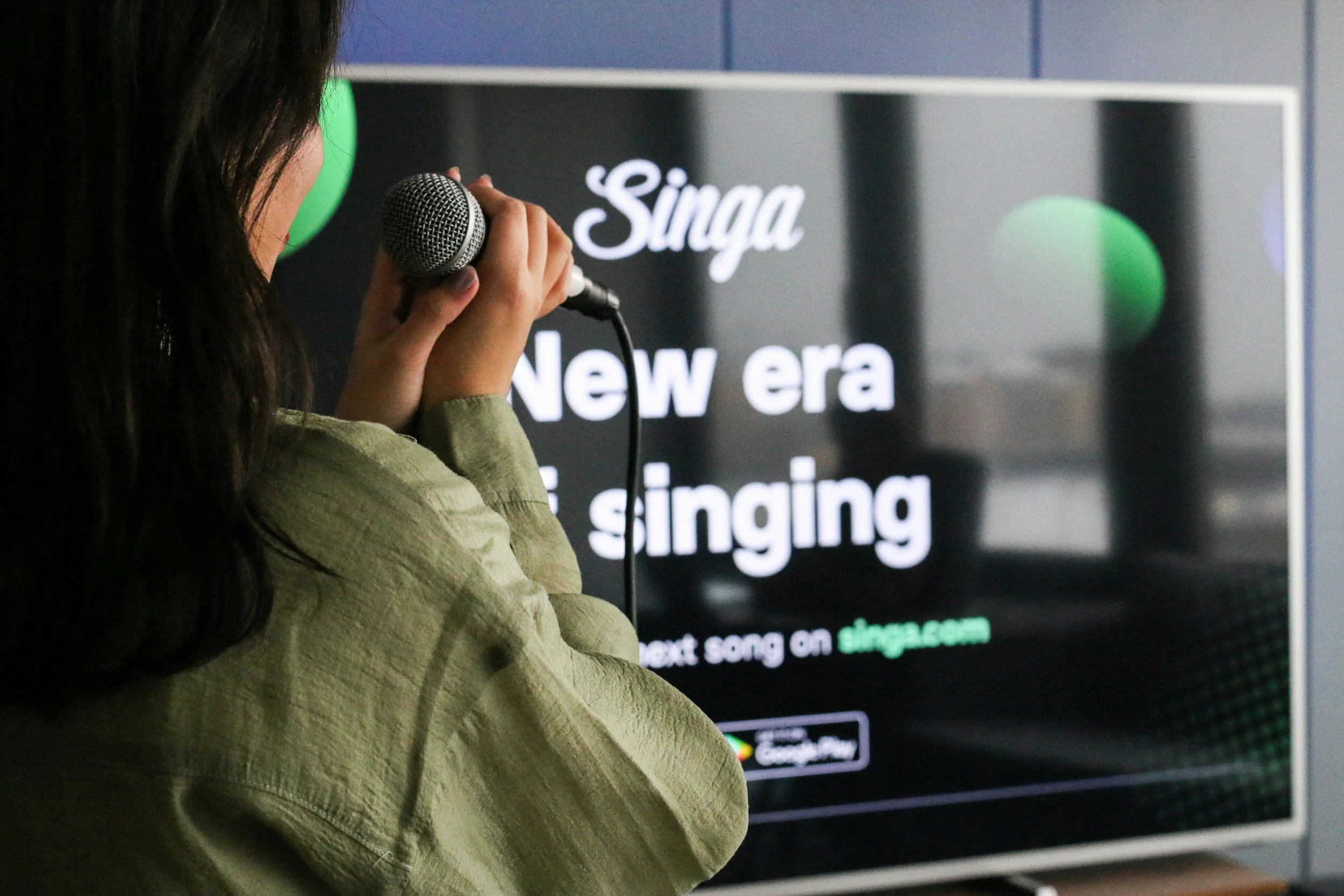
5 Quick Tips for a More Beautiful Singing Voice
Whether you're just starting out or you've been singing for years, certain fundamentals consistently separate voices that sound effortful from voices that sound effortless. None of these tips are flashy. They're the basics that working singers come back to over and over because the basics are what actually carry your voice through every song you'll ever sing. Here are five quick wins that will make an immediate, audible difference in your sound.

Stage to Screen: How to Adapt Your Performance for the Camera Without Losing Your Edge
You've spent years building your craft on stage. You know how to project to the back row. You know how to fill a space with your presence. You know how to deliver lines so a thousand people can feel the truth of what your character is experiencing. You're a stage actor.
Then you book a film role. Or a short. Or a commercial. Or a self-tape audition for an on-camera project. Suddenly the skills that have served you for years don't quite work the same way. Directors give you notes about being "too big" or "too theatrical." Your performance feels truthful to you but reads as performed to the camera. Something needs to shift, but the shift isn't obvious.

The Hidden Skill of Singing Quietly: Why Quiet Voice Control Is Harder Than Belting
There's a counterintuitive truth that most developing singers don't believe at first: singing quietly is harder than singing loudly.
The instinctive assumption is the opposite. Loud singing feels like the impressive part. The big belt, the soaring high note, the powerful sustain that fills a room. Quiet singing seems like the easy default, the thing you do when you're warming up or when the song calls for something gentle.

The 4-6 Song Rule: Why a Small, Deeply-Drilled Repertoire Beats a Big, Shallow One
Most developing singers fall into one of two traps with their repertoire.
The first trap is collector syndrome: constantly adding new songs to their working list without ever fully mastering any of them. They have 30 songs they kind of know, can sort of sing, and would struggle to deliver convincingly on demand. Each song stays at 60% completion forever because they keep moving on to new material before any of it is truly finished.

How to Make a Self-Made Voice Acting Demo Reel: The Complete Recording Process
Today I want to walk through the practical process of recording demo material effectively, whether you're putting together a professional reel or building audition files for submission. This is the nitty-gritty that separates usable recordings from wasted hours of effort.

Vocal Health for Singers: Why You Should See an ENT Before You Think You Need One
Let's talk about something that most singers avoid until they're in crisis: the health of your actual vocal instrument.
Every working singer eventually experiences some kind of vocal concern. A persistent hoarseness that won't quite go away. A strange crackle on certain notes. A sense that their voice "isn't quite right" even when they can't point to a specific problem. A lingering worry that maybe they've damaged something and don't know it.
For most singers, this worry hovers in the background while they keep working, keep pushing, and keep hoping it resolves on its own. They don't see a specialist because they're afraid of what might be found. Or because they don't know where to go. Or because they assume only professional opera singers see ENTs.

The Hidden Cost of Vocal Breakthroughs: How to Adjust to New Technique Without Hurting Yourself
Here's something most voice teachers don't prepare their students for: when you finally have a real vocal breakthrough, it's probably going to hurt a little.
Not in a worrying, damaging way. But in the same way that switching to barefoot running shoes after years of cushioned trainers makes your calves scream for the first few weeks. Or the way starting a serious weightlifting program leaves you sore in muscles you didn't know existed. Your body is adjusting to a new pattern of use, and the adjustment period has a physical cost.

Ace Your Audition: The Complete Guide to Booking Work in Theater, Film, and Voice Acting
Auditions are strange. You spend months building your skills, refining your craft, and preparing material, and then your entire case for getting cast comes down to a few minutes in a room (or a self-tape sent into the void). It's high pressure, low feedback, and relentlessly ongoing.
Here's the good news: most of what makes the difference between auditions that book and auditions that don't isn't talent. It's preparation, professionalism, and a set of specific habits that most performers never get taught directly. The performers who book consistently aren't usually the most naturally gifted. They're the ones who treat auditioning as its own craft and develop the specific skills that craft requires.

The Three-P Framework for Voice Acting Performance: Pitch, Pace, and Projection
Most voice acting performances that don't book aren't bad in any obvious way. They're not off-pitch. They're not unprofessional. They're not poorly recorded.
They're just flat.
The voice actor walks through the script with consistent tone, consistent volume, consistent rhythm, consistent energy. Everything sits at the same average level for the whole take. And while nothing technically wrong happened, nothing memorable happened either. The casting team listens, nods, and moves on to the next file.
This is the single most common gap I see in developing voice actors, and the good news is that fixing it doesn't require a different voice or more talent. It requires a framework. Today I want to walk you through what I call the Three-P framework: Pitch, Pace, and Projection. Master these three variables and you'll add dimension to every performance you record.

Keeping Your Voice Alive: Vocal Health Tips Every Singer and Actor Should Know
Your voice is the only instrument you can't put down, replace, or take to a repair shop. Everything runs through it, every audition, every session, every performance, every late night rehearsal in a dry studio with recycled air and bad coffee. Most performers wait until something goes wrong to start taking care of it. Don't be that person. Build the habits now, before your voice reminds you the hard way that you've been neglecting it.
Here's everything I've picked up from years in the room with singers and actors who take this seriously.
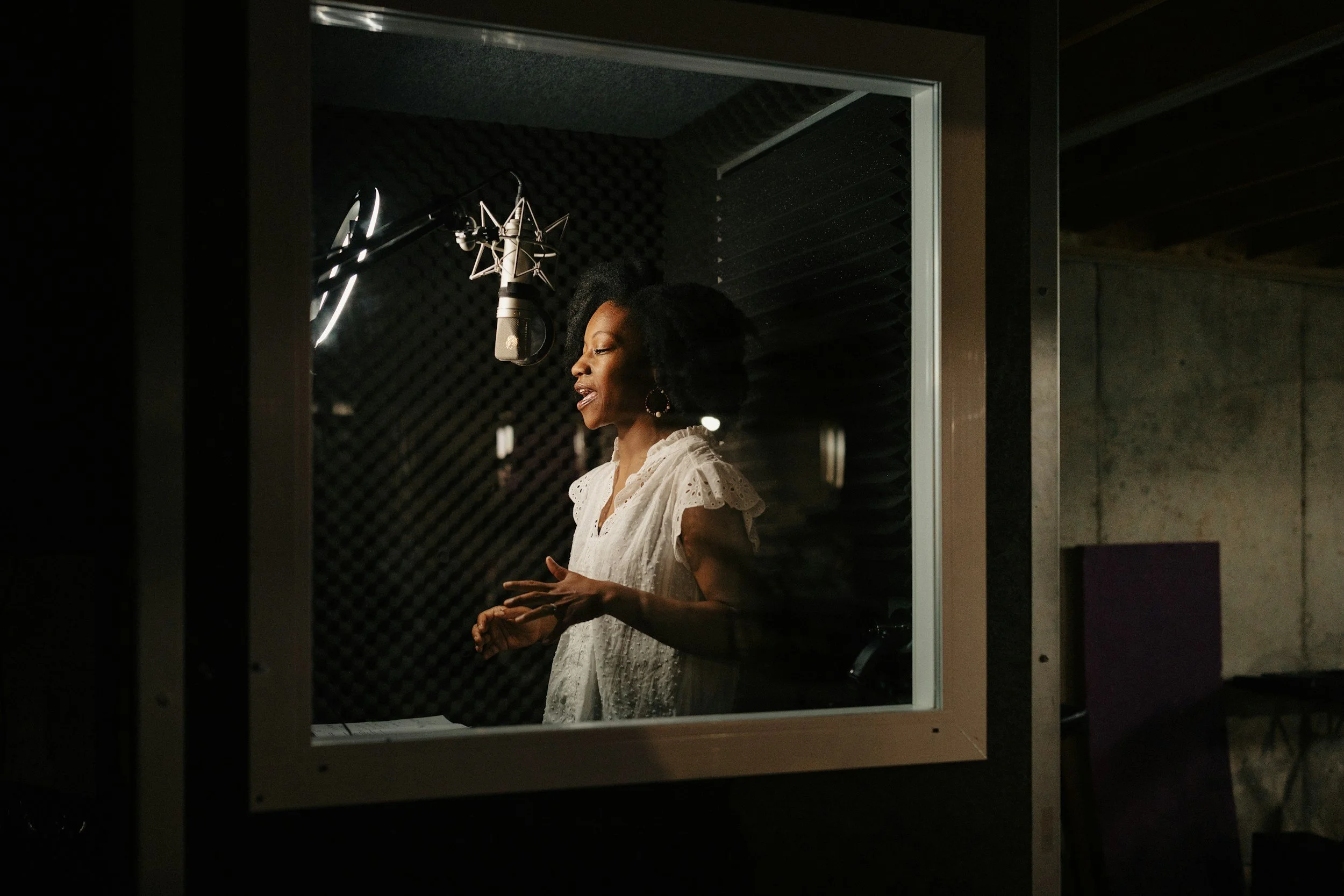
Building a Self-Made Voice Acting Demo Reel to Start Your Voiceover Journey
Here's an uncomfortable truth about voice acting: your demo reel is the single most important calling card you have, and most aspiring voice actors build theirs completely wrong.
They pick characters they love. They record lines that feel fun. They string together takes that showcase their "range" by jumping across wildly different styles in 90 seconds. Then they send it out, hear nothing back, and wonder what went wrong.
The demo reel that actually gets you hired is a strategic document, not a vanity project. It takes months of preparation to build well, and if you're doing it right, you're studying, practicing, and recording in deliberate layers over a long timeline.

The Voice Acting Auditions Roadmap: How to Build a Real Career (Not Just a Reel)
If you've been trying to break into voice acting, you've probably noticed something frustrating: there's no clear path. Singers have conservatories. Actors have showcases and agents. Voice actors? You're mostly figuring it out alone, in a closet, hoping someone notices the demo you spent six months perfecting.
What actually moves the needle when you're trying to build a voiceover career from scratch? This isn't about fancy gear or which microphone the pros use. This is about the workflow, the mindset, and the small technical and creative choices that separate hobbyists from working VO talent.

Active vs. Descriptive Monologues: The Acting Tool That Will Transform Your Auditions
You've spent hours combing through monologue books, scrolling endless websites, and digging into plays trying to find the one. The monologue that finally lets you book the role. And even when you find something you think might work, there's this nagging feeling when you perform it that you're not doing enough. That something's missing. That you're technically delivering the words but not actually living in them.
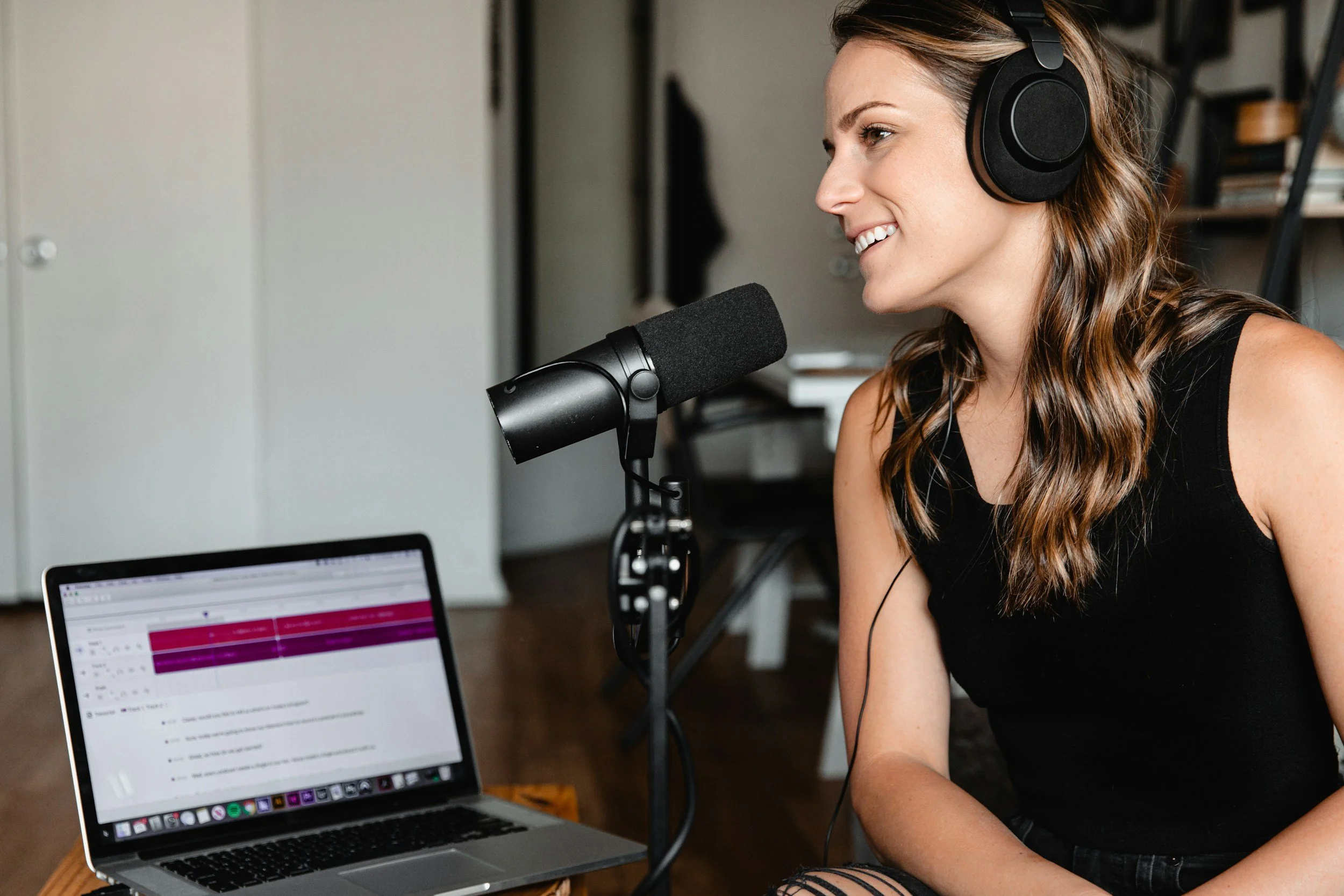
Stop Perfecting, Start Submitting: Why Volume Is the Secret to Voice Acting Success
If you're sitting at your home studio agonizing over a single audition for the third hour in a row, I need you to hear something: you're doing it wrong.
I don't say that to be harsh. I say it because I've watched countless voice actors stall out at the starting line, convinced that every audition needs to be a masterpiece before they hit "submit." Meanwhile, the actors who are actually booking work? They're playing a numbers game — and they're winning.

Want to Be a "Triple Threat" in Musical Theater? Here's the Skill Most Singers Overlook
If you've ever sat in on a musical theater audition room, scrolled through casting calls, or talked to working performers about how they actually pay their bills, you've probably noticed something: the people booking the most work aren't always the best singers in the room. They're the most versatile ones.
In my studio, I spend a lot of time talking with students about the difference between being a great singer and being a great hireable singer. Those are two different things. And today I want to dig into two areas that can genuinely move the needle on your career: developing a fuller vocal toolkit (including the "ugly" sounds), and adding piano to your skillset.

Singers: You Don't Need More Power — You Need More Control
Why the strongest singers are often the ones holding back
Here's something I tell almost every new student who walks through my door (or logs into my Zoom): you probably don't need to sing louder. You need to sing smarter.
When you love rock, metal, or anything with grit and intensity, your instinct is to push. Belt it out. Leave it all on the floor. And honestly? That impulse means you've got something most singers would kill for — raw power and fearlessness. But power without control is like swinging a sledgehammer at a thumbtack. You'll hit it eventually, but you'll destroy the table in the process.
So let's talk about what "singing smarter" actually looks like.
Advice and Timelines for Young People Getting Started as Voice Actors
Are you hoping to get started with Voice Acting as a career but don’t know where to begin?
Classes, Lessons, Coaching, YouTube Videos, Books, Online Courses, etc. can all be wonderfully helpful to beginners, but what do you expect when it comes to making money, quitting your job, and becoming a full-time Voice Actor for animation, films, TV, and video games?
The following path is what most of my students go through. Even the established married older adults go through something like this, but young people have a few advantages since they have fewer commitments to worry about in transitioning their careers.
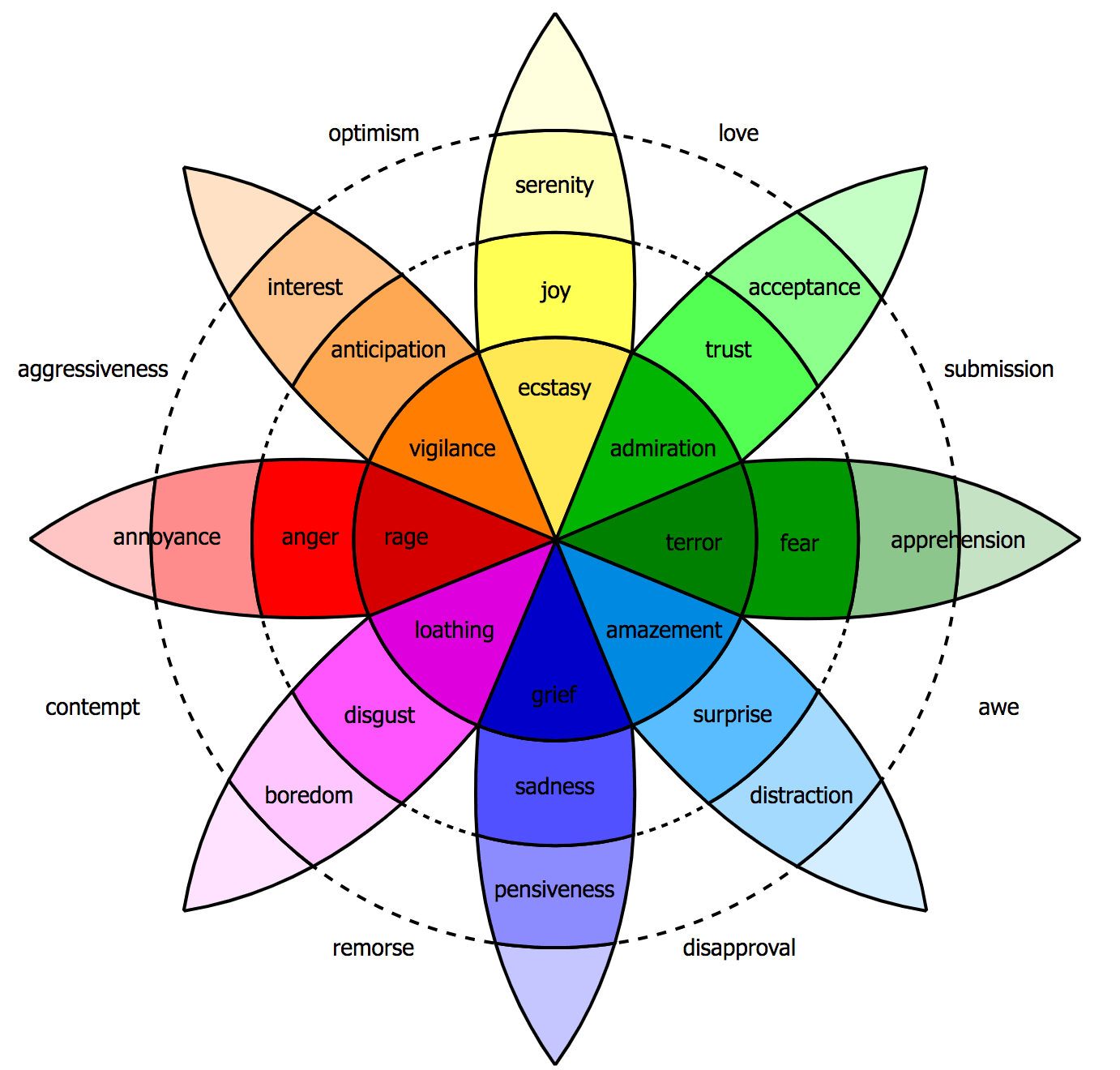
Why Your Acting Feels Flat (And How to Add Emotional Color to Every Scene)
You've probably had this experience: you read a scene out loud, you hit all the words, you don't fumble a single line, and then you watch the playback and think... that was so boring.
You weren't bad. You were technically fine. But there was nothing happening underneath the words. No texture. No life. Just a person reading a script accurately.
This is the single most common plateau actors hit, especially in early training. The good news is it's not a talent problem. It's a toolkit problem. You haven't been given the specific techniques for adding emotional dimension to a performance. So today, I want to walk you through the frameworks I use with students who are stuck in monotone delivery and want to break out of it.
How to Self-Critique Your Own Audition Tapes Without Losing Your Mind
If there's one skill that separates voice actors who level up quickly from those who plateau for years, it's this: the ability to watch or listen back to your own auditions without crumbling, and then actually learn something useful from the experience.
Most performers hate this part. They either refuse to listen to their own recordings at all, or they listen once, hate everything, spiral into self-criticism, and never extract any actionable information from the review. Neither approach helps you grow.

The Vocal Technique That Will Transform Your Songs: Mastering Dynamic Contrast
You've been singing your favorite song for weeks. You know every word. Your pitch is solid. You can hold the long notes without running out of breath. And yet, when you listen back to your recordings, something feels... flat. Not technically wrong. Just unexciting.
Nine times out of ten, what you're missing isn't a vocal skill problem. It's a dynamics problem.
Singers who sound interesting to listen to aren't necessarily the ones with the most powerful voices or the widest ranges. They're the ones who understand how to use contrast. Soft versus loud. Tender versus powerful. A held note that grows and blooms versus one that just sits there at one volume the entire time.