The Demo Reel Funnel: Record a Pile, Cut the Best Minute
Almost everyone builds a demo reel the hard way. They sit down determined to record one perfect minute, agonize over a single character for half an hour, get a take that is almost right, and walk away exhausted with thirty usable seconds and a headache. The whole approach is backwards, and it is why so many first demos take months and still come out mediocre.
The professional approach inverts it completely. Do not try to create a good minute. Record a large pile, around twenty minutes and over a hundred takes, and then mine that pile for the best minute that already exists inside it. You are not manufacturing perfection on demand. You are generating a mountain of material and then extracting the gold. It is faster, it is less precious, and it produces a far better reel.
This is the demo reel funnel, and it is the final tool in this series because it pulls so many of the others together into one workflow.
Want to work with me one-on-one?
Stop trying to create a perfect minute
The mistake is treating the reel like a performance you have to nail rather than a pile you get to harvest. When you sit down to “record a great minute,” every take carries enormous pressure, you fixate on one character far too long, and you burn out before you have covered your range. Chasing one perfect minute is slow, exhausting, and usually produces something worse than the alternative.
The funnel removes the pressure by changing the goal. Your job in the recording session is not to be perfect; it is to generate volume. You record far more than you need, knowing that the keepers are in there somewhere, and you find them later. A single bad take costs you nothing, because it is one of a hundred. That freedom is exactly what lets the good takes happen, since pressure is what strangles them in the first place.
Record everything
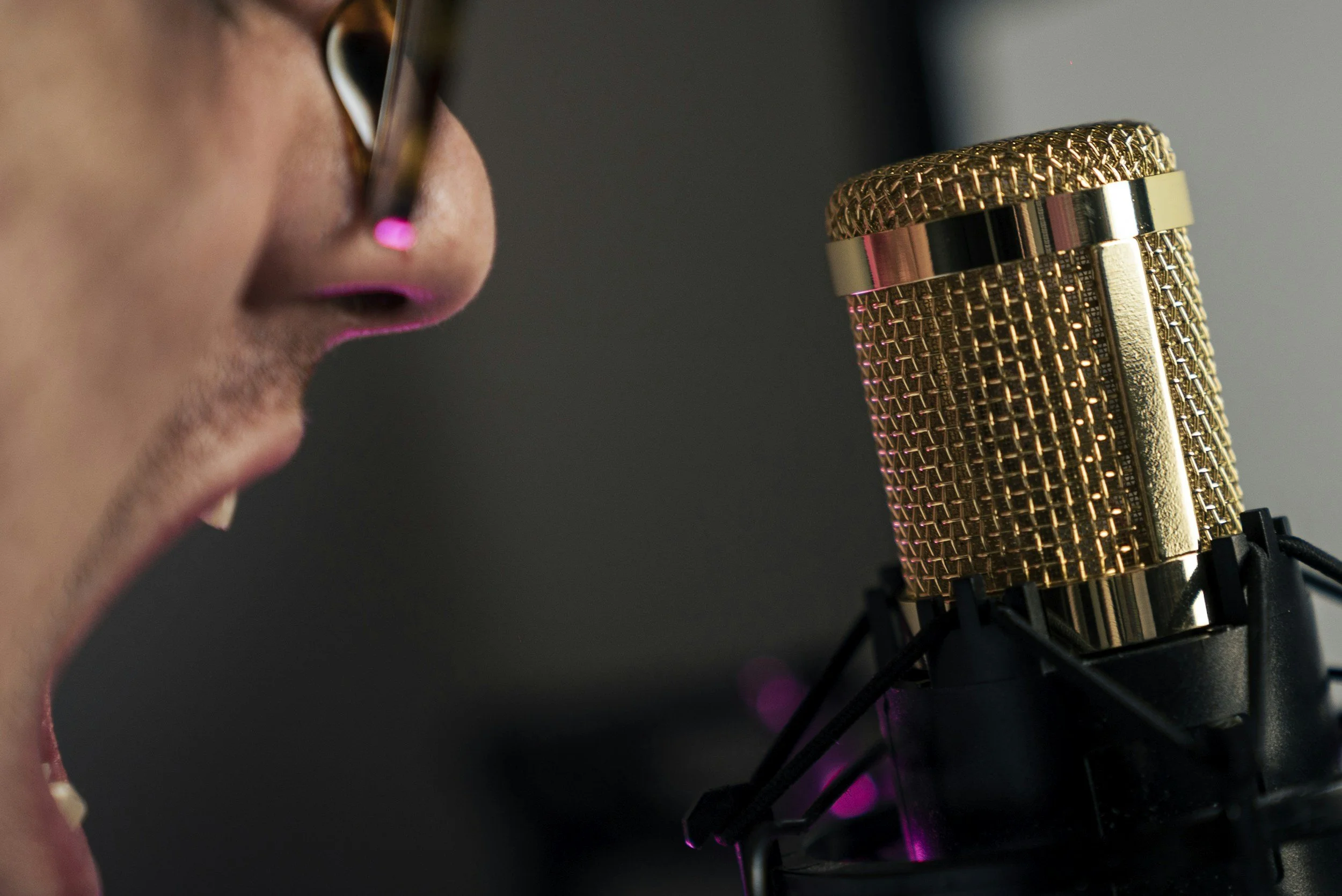
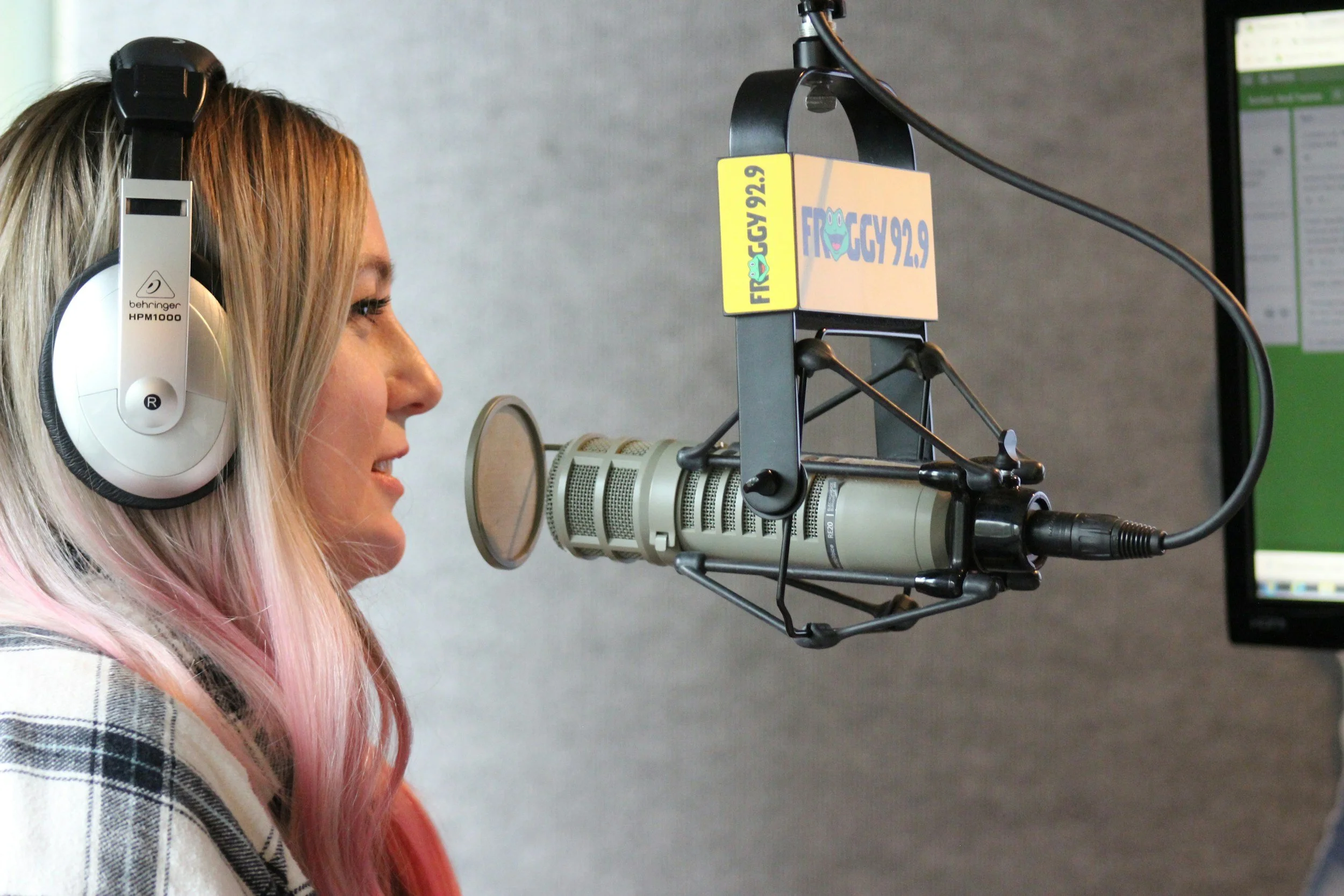
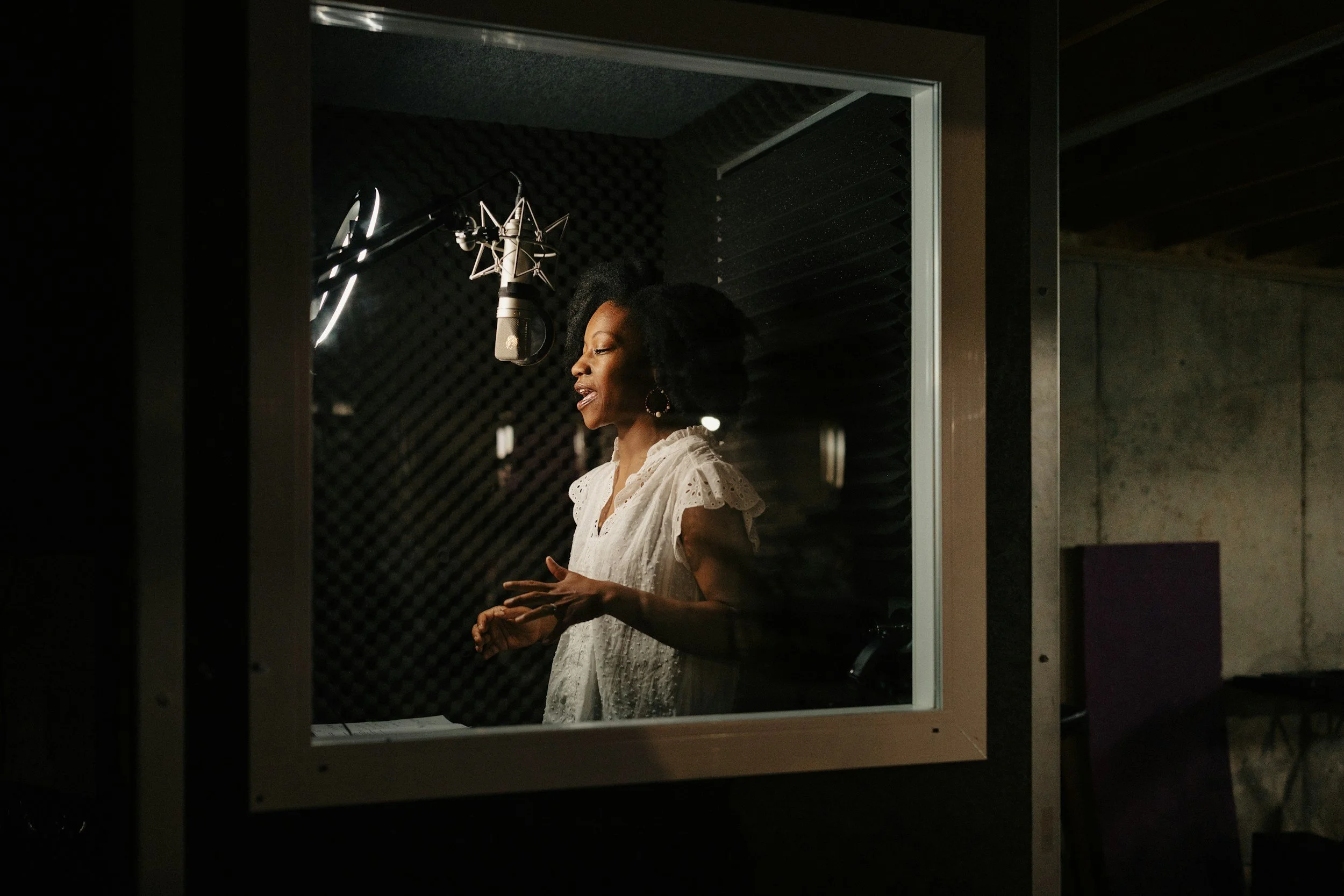
Here is the actual session. You sit in your booth, hit record, and keep going for roughly twenty minutes, building a continuous file of takes. The method is to record about three takes of two lines for each character on your list, which adds up fast. With twenty characters, that is forty lines, three takes each, around a hundred and twenty takes, each only ten to fifteen seconds long. A big pile, built quickly.
The discipline during recording is to keep moving and almost never stop. The only reasons to pause and redo are if you peek the microphone or genuinely flub the words, never the urge to perfect a character. You do not get to spend thirty minutes chiseling one read, because the entire point is momentum and volume; you can always re-record a specific line later if you need to. Keep the file rolling, plow through your list, and resist every temptation to stop and polish. You are filling the pile, not curating it yet.
The method: best, double, half on every line
Inside the funnel, the per-line method is the best-double-half tool. For each line, give your best take, then the same line doubled, bigger and bolder, then the same line cut in half, smaller and grounded. Three sizes for every line means your pile contains a full range of each character, not just one guess at the right intensity.
This matters because most of us lean too far in one direction, often toward the big and wacky, and the half-take is the grounded option that saves the reel when everything else ran too hot. Bracketing every line guarantees that when you go hunting for keepers, you have a calm version and a huge version of each character to choose from. The funnel and the bracket work together: best, double, half is simply how you fill each slot in the twenty-minute pile, which is what gives you real choices in the edit.
Listen and cut
Now comes the mining, and this is where the magic, and the hard part, lives. You go back through the whole pile, a hundred-plus takes, and you pull the keepers: this take of that character, the doubled version of this line, cut that one, keep these two. You whittle a sprawling pile down to only the strongest moments, the takes that show the most range and the best acting.
There is a reason a coach usually runs this first listen-through with you: you are too close to your own voice to judge it fairly. The takes that make you cringe are frequently the best ones, because hearing your own voice is uncomfortable and you flinch at exactly the reads a listener finds compelling. A coach hears “that is excellent” precisely where you hear “that is embarrassing,” and they keep the take you would have cut. An outside ear is not a luxury here; it is how you avoid throwing away your best work out of self-consciousness.
The reel: about eight lines, about a minute
The target is small and tight. Out of a hundred-plus takes, your final reel is around eight great lines totaling about a minute. The whole twenty-minute pile exists to yield roughly sixty seconds of your very best, most varied work. That ratio is the point: you record a mountain to keep a handful.
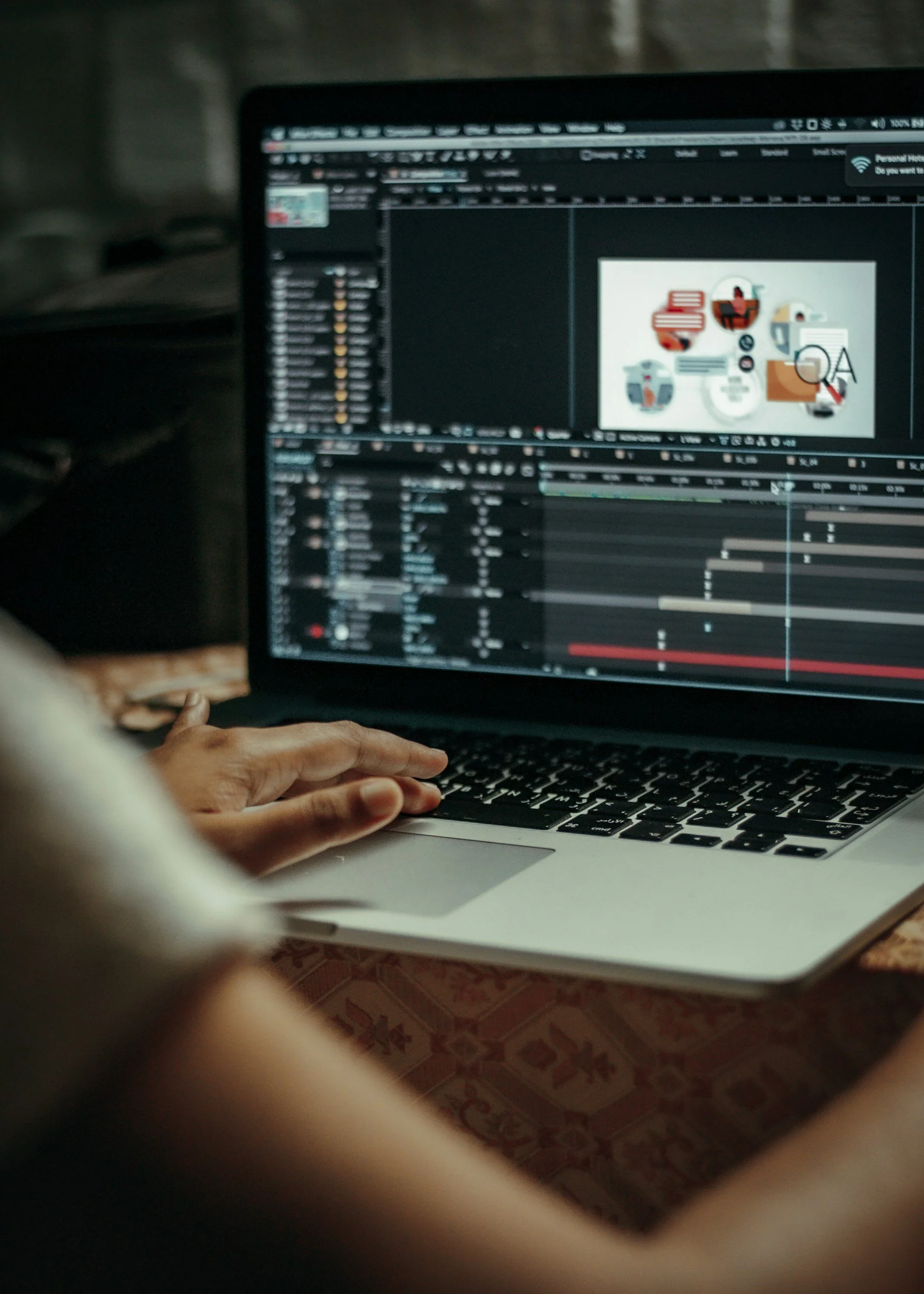
One more rule for a first demo: keep it voice-only, with no sound effects or music bed. Bad audio engineering is worse than no audio engineering, so a clean, well-performed voice reel beats one cluttered with amateur production. Save the music and effects for a later demo, once you have the voice part handled, because trying to learn editing, mixing, and performing all at once guarantees you do none of them well. Get the voice right first; add the rest when that foundation is solid.
For voice actors
This is the voice actor’s core demo workflow, and following it will save you months. Record a twenty-minute pile using best, double, half on a list of characters, then mine it for the best minute, rather than agonizing over a single perfect take. The funnel produces a stronger, more varied reel in far less time and with far less pain.
Sequence matters as much as method, though. A polished demo is not your first move; a pile of real auditions is. Many new actors jump straight to building a professional demo when they have barely auditioned, which is leaping into the deep end before learning to swim. Spend your early energy doing a large volume of auditions, a hundred of them, to build the underlying skill first; the worry about which characters fit you best is a refinement that only makes sense once you have the reps. Build the skill on auditions, then funnel a great demo out of a voice that is actually ready.
For actors
On-camera and stage actors build reels from real footage, and the same logic applies. Mine your best moments from scenes you have actually shot rather than trying to manufacture one flawless clip in a vacuum. A reel assembled from genuine, varied, strong moments reads as real range; a single staged clip reads as thin.
Gather everything you have, then cut ruthlessly to only the strongest, most varied seconds. The reel should be a tight collection of your best work, not a long stretch of one decent take, and as with the voice version, an outside eye helps you keep the moments you are too self-critical to value. Volume in, ruthless cut, short and strong out.
For singers
Singers building an electronic press kit or a sizzle reel face the identical temptation to perfect one clip, and the same fix applies. Record or gather a large amount of material, then cut to the strongest minute or two that shows your range. A reel of varied, genuine high points beats an over-labored single track every time.
Resist the urge to spend forever polishing one number. Generate plenty of material, then mine it for the moments that best show what you can do, your range, your tone, your versatility. The strongest sizzle reel is harvested from a pile, not agonized into existence, and a trusted ear will help you keep the takes you would have second-guessed into the trash.
For speakers
A speaker’s sizzle reel works the same way, built from real talks rather than a faked performance. Mine clips from actual speaking engagements, then cut to a tight reel of your most compelling moments. Authentic footage of you holding a real room is worth far more than a staged clip recorded for the camera.
Pull from everything you have, then whittle hard to only the strongest seconds, the moments with the most energy, clarity, and connection. A short, punchy reel of genuine high points beats a long, flat one, and an outside perspective will help you choose the clips that actually land rather than the ones you happen to remember fondly. Record and gather a lot, keep only the best, and keep it short.
How to run the funnel
The workflow is simple once you stop trying to be perfect. Run it in this order.
• Record a big pile. Twenty minutes, a continuous file, three takes of two lines per character, best-double-half on each. Only stop for a mic peek or a real flub.
• Do not learn five things at once. Keep the first reel voice-only. Master the performance and the room before you add editing, music, or effects.
• Mine the pile with an outside ear. Listen back, ideally with a coach, and keep the strongest, most varied takes, including the ones that make you cringe.
• Cut to about a minute. Around eight great lines that show your best range, and nothing else.
And remember the bigger sequence: build the skill on a high volume of auditions before you chase a great demo at all. A demo funneled out of a trained, ready voice is worth ten demos forced out of an unready one. Do the reps first, then run the funnel.
Start building your reel, and one tool, this week
This is the last tool in the series, and it works because it embodies the whole philosophy these ten tools share. Best, double, half fills the pile. Tools-first makes your reads repeatable instead of lucky. The practice gym built the voice that fills the file. Wide choices and the given circumstances make each take worth keeping. The funnel is where the method becomes a finished thing you can send out into the world.
So pick one. You do not need to master all ten tools at once; you need to take one this week and actually use it. Run a best-double-half on a single line, write the given circumstances for one scene, set up your practice gym, or hang a blanket and record a twenty-minute pile. Do the small, concrete thing, then the next one. The perfect minute was never something you record. It is something you mine, and the same is true of a craft: you build it one tool, one rep, one take at a time. If you want a coach to help you find the keepers and build the voice underneath them, that is exactly the work I do, and you can start at vocalcoachtopher.com.
ABOUT THE AUTHOR
Topher Keene is a Grammy-Award Finalist and one of America’s most sought-after voice and performance coaches, with more than two decades spent guiding voice actors and performers from their first auditions to finished demo reels. He has helped thousands of students build the skills, and the recordings, that get them hired. Learn more or book a lesson at vocalcoachtopher.com.
Want to work with me one-on-one?
Looking for more?