
Grammy-Award Finalist Topher Keene is widely regarded as one of America’s top Acting, Singing, and Public Speaking Coaches.
From teaching kids to sing their first solo, to helping Film and Television Stars perfect their roles, to helping pro Vocalists record hit albums, to helping YouTubers and Podcasters refine their vocal skills, to helping CEOs and Executives improve communication and presentation skills, Topher Keene can help anyone develop a powerful and confident voice and improve their performance skills.


Vocal Health for Film and Television Actors
Film and television acting puts a different kind of demand on the voice than stage or singing. The volume requirement vanishes. The breath requirement quietly intensifies. Everything you do on camera has to be supported at half the loudness it would need on stage, and every consonant has to land cleanly six inches from a boom microphone. The voice that works for close-up is a more carefully managed instrument than most actors realize.

Vocal Health for Public Speakers
Singers and actors are trained to think of the voice as a professional instrument. Public speakers are rarely trained to think of it that way at all. You stand in a hotel ballroom for forty-five minutes at projection volume, sometimes without amplification, often after a long travel day, and then you do it again the next morning at another event. The voice that survives a busy speaking calendar is not the voice you walked into your first keynote with. It is a deliberately cared-for voice.

How to Belt Safely: A Vocal Coach's Guide to Powerful High Notes Without Strain
Belting isn't a louder version of yelling. It's a coordinated mix with chest voice weight extended into your upper range, supported by breath and balanced by acoustic placement. That sentence is the entire framework. Everything else is execution.
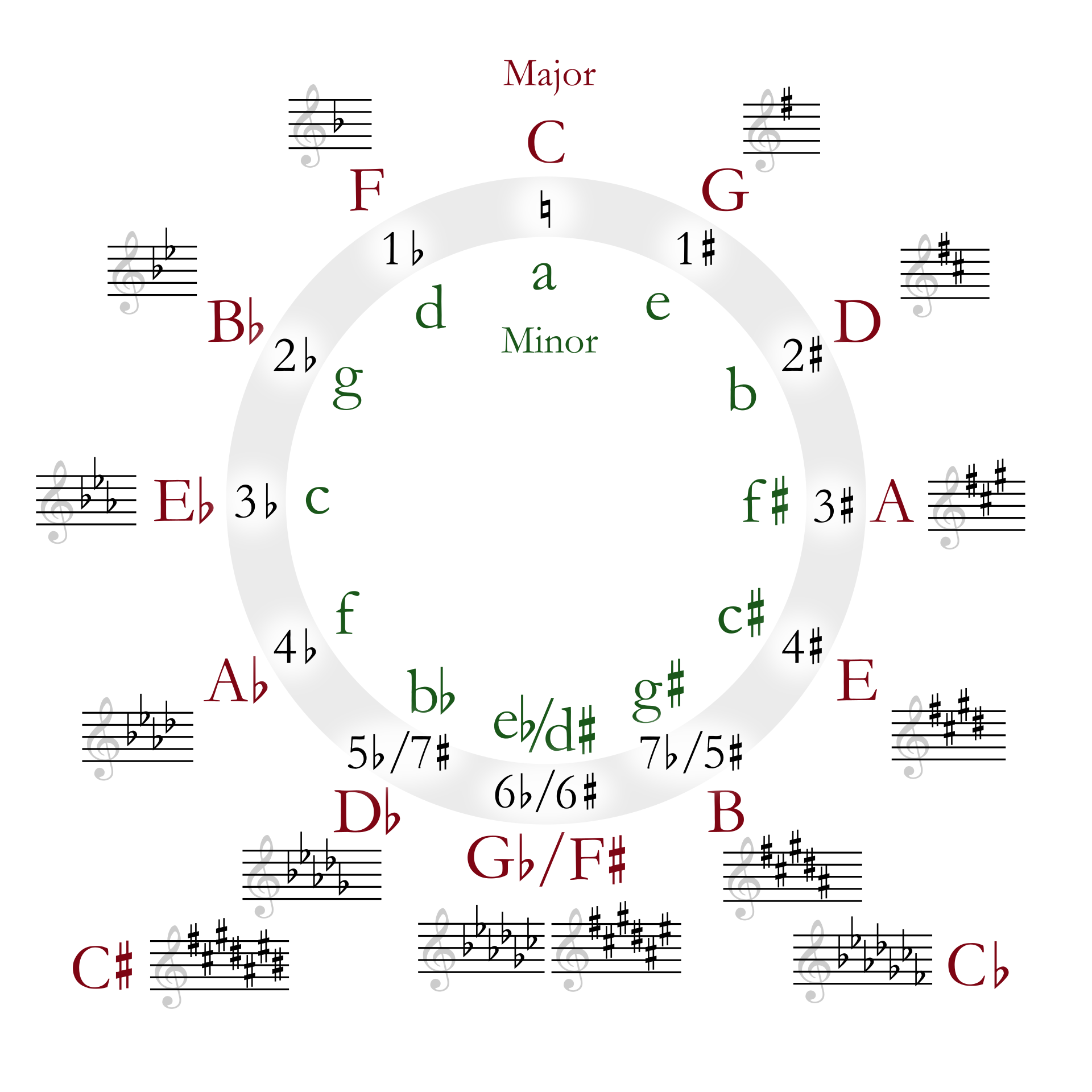
There's No "Right Key" for Your Voice — Here's How to Find the Best Key for Every Song
There is no single right key for you as a singer. You don't have one key that works for everything. You're not "a singer in the key of G." That's not how any of this works, and misunderstanding this concept holds more singers back than almost any other technical misconception I encounter.
What you have is a range. What every song has is also a range. Your job — every single time you approach a new piece of material — is to find the key where those two ranges overlap in the most comfortable, expressive, and vocally healthy way possible. And that key will be different for every song you sing.

Singing While Sick: What's Safe, What's Risky, and When to Cancel the Gig
Every working singer faces this dilemma eventually, and the stakes are real. You have a performance — a show, a wedding, a recording session, an audition — and you woke up sick. You've got a sore throat, or a head cold, or your voice sounds an octave lower than it should, or there's a deep cough you can't get rid of. You're now trying to make a decision in real time, often without the information you need to make it well: do I push through, or do I cancel?

Surviving a Three-Week Run: Vocal Health Strategies for Performers in Demanding Productions
The first time you're cast in a leading role with a multi-week performance run, reality sets in quickly. The audition was one performance. Maybe your callback added another. Then you booked the role and started rehearsals. By the time opening night arrives, you've been working the material for weeks. Then you have to deliver that material at full performance level, eight to twelve times across three weeks, while maintaining your job, your relationships, and your basic functioning as a human being.

Vocal Compression and Expansion: How to Build Distinctive Character Voices Without Damaging Your Instrument
Voice actors building character voice range run into a specific technical challenge: how do you produce significantly different voices without straining your throat?
The instinct for many developing voice actors is to physically squeeze, clamp, or constrict their throat to produce different sounds. A higher pitch gets achieved by tightening. A character voice gets achieved by gripping. The result might sound somewhat like the target character, but it produces strain, fatigue, and potentially long-term damage to the voice.

Returning to Singing After a Break: How to Rebuild Your Voice Without Starting Over
Welcome back to singing. The instrument is still yours. The communities are still there. The work begins now, from where you are, with whatever voice you have today.

5 Quick Tips for a More Beautiful Singing Voice
Whether you're just starting out or you've been singing for years, certain fundamentals consistently separate voices that sound effortful from voices that sound effortless. None of these tips are flashy. They're the basics that working singers come back to over and over because the basics are what actually carry your voice through every song you'll ever sing. Here are five quick wins that will make an immediate, audible difference in your sound.

The Hidden Skill of Singing Quietly: Why Quiet Voice Control Is Harder Than Belting
There's a counterintuitive truth that most developing singers don't believe at first: singing quietly is harder than singing loudly.
The instinctive assumption is the opposite. Loud singing feels like the impressive part. The big belt, the soaring high note, the powerful sustain that fills a room. Quiet singing seems like the easy default, the thing you do when you're warming up or when the song calls for something gentle.

Vocal Health for Singers: Why You Should See an ENT Before You Think You Need One
Let's talk about something that most singers avoid until they're in crisis: the health of your actual vocal instrument.
Every working singer eventually experiences some kind of vocal concern. A persistent hoarseness that won't quite go away. A strange crackle on certain notes. A sense that their voice "isn't quite right" even when they can't point to a specific problem. A lingering worry that maybe they've damaged something and don't know it.
For most singers, this worry hovers in the background while they keep working, keep pushing, and keep hoping it resolves on its own. They don't see a specialist because they're afraid of what might be found. Or because they don't know where to go. Or because they assume only professional opera singers see ENTs.

The Hidden Cost of Vocal Breakthroughs: How to Adjust to New Technique Without Hurting Yourself
Here's something most voice teachers don't prepare their students for: when you finally have a real vocal breakthrough, it's probably going to hurt a little.
Not in a worrying, damaging way. But in the same way that switching to barefoot running shoes after years of cushioned trainers makes your calves scream for the first few weeks. Or the way starting a serious weightlifting program leaves you sore in muscles you didn't know existed. Your body is adjusting to a new pattern of use, and the adjustment period has a physical cost.

Keeping Your Voice Alive: Vocal Health Tips Every Singer and Actor Should Know
Your voice is the only instrument you can't put down, replace, or take to a repair shop. Everything runs through it, every audition, every session, every performance, every late night rehearsal in a dry studio with recycled air and bad coffee. Most performers wait until something goes wrong to start taking care of it. Don't be that person. Build the habits now, before your voice reminds you the hard way that you've been neglecting it.
Here's everything I've picked up from years in the room with singers and actors who take this seriously.

Singing Through Illness: How to Practice When Your Voice Isn't at Its Best
Every singer eventually faces the same dilemma: you're sick, your voice isn't where it normally is, and you have to decide what to do with your practice routine. Skip practice entirely until you're better? Push through and risk making things worse? Find some middle path?
The standard advice is "rest your voice when you're sick." That's not wrong, exactly, but it's incomplete. The full picture is more nuanced, and the singers who handle illness intelligently come back from it stronger rather than further behind.

Singing With Spasmodic Dysphonia: Practical Strategies for Vocal Resilience
This is a population that's often underserved in traditional vocal training. The standard advice (project more, breathe deeper, support harder) doesn't always apply. Sometimes it makes things worse. Singers and speakers with these conditions need a different approach: one that builds resilience around the unpredictability, develops tools for working with the condition rather than against it, and finds the path to performance that is genuinely possible rather than performing as if the condition doesn't exist.
Today I want to share what I've learned working with students who navigate vocal conditions, and I want to do it in a way that's useful both to those students and to anyone whose voice has ever felt out of their control. Many of these principles apply more broadly than to just specific medical diagnoses.
Why the Lip Bubble Is the Most Important Vocal Exercise You'll Ever Do
Every voice teacher, choir director, and vocal coach I respect uses the lip bubble. Pop coaches use it. Classical pedagogues use it. Broadway voice teachers use it. Speech-level singing instructors use it. It's the rare technical exercise that crosses every methodology and every genre, and the reason is that no other single exercise does as much work in as little time. If you only have time for one vocal exercise a day, this is the one to do.

Your Voice Is Tired — Now What? A Vocal Coach's Guide to Recovery After Overuse
You sang at a party. You talked over loud music at a restaurant for three hours. You performed a gig, then went straight to a social event and kept talking all night. And now your voice sounds like it's been dragged through gravel.
Welcome to vocal fatigue. Every singer deals with it eventually, and most of them handle it wrong.

Stop Shouting, Start Singing: Why Your Powerful Voice Sounds Strained (And How to Fix It)
Here's the thing nobody has told you yet: your problem isn't that you lack power. Your problem is that power is the only tool in your toolbox. And until you develop the rest of your technique, all that natural strength is actually working against you.