
Grammy-Award Finalist Topher Keene is widely regarded as one of America’s top Acting, Singing, and Public Speaking Coaches.
From teaching kids to sing their first solo, to helping Film and Television Stars perfect their roles, to helping pro Vocalists record hit albums, to helping YouTubers and Podcasters refine their vocal skills, to helping CEOs and Executives improve communication and presentation skills, Topher Keene can help anyone develop a powerful and confident voice and improve their performance skills.

Overcoming Performance Anxiety for Voice Actors
Voice actors have the strangest performance-anxiety profile in the industry. The work doesn't look like performance anxiety — there's no audience, no stage, no eyes watching from a darkened theater. It's just a microphone in a small room, the director's voice in the headphones, and you. And somehow, for many voice actors, this produces more anxiety than a thousand-seat house ever did.
Audition Strategies for Commercials (On-Camera & Voiceover)
Commercial auditions are the most volume-driven, type-locked, and quickly-decided format in on-camera acting. A casting office can run through 200 commercial auditions in a day, and the decision about whether to advance you is often made in the first three seconds of your slate. The strategy for commercial work is fundamentally different from the strategy for narrative film and television, and actors who don't adjust their approach leave significant booking opportunities on the table.
Audition Strategies for Voice Acting
Voice acting is one of the most opaque audition processes in the entertainment industry. There is no room to walk into. There is no panel to read. You record a few takes alone in a booth at home, send a file to a casting director you have never met, and find out three weeks later — or never — whether you booked. Most aspiring voice actors don't know what they're being evaluated on, because the people doing the evaluating never tell them.
Audition Strategies for Film Roles (On-Camera Acting)
Film auditions are won and lost on specificity. The camera sees everything, and what it sees most clearly is whether the actor in front of it actually knows who they are, what they want, and how they feel about the person they're talking to in the scene. Most film auditions don't fail because the actor lacked talent. They fail because the actor lacked specificity.
The Musical Theater College Audition: A Complete Guide
The college audition process for musical theater is the single most demanding application path in American higher education. A typical student applies to between fifteen and twenty BFA programs. Each one requires a separate prescreen video, a separate application, separate essays, and separate live or virtual auditions across a compressed January-to-March window. The acceptance rates at the top programs hover between two and four percent. Performers spend the entire fall semester producing materials, the entire spring semester auditioning, and the entire summer waiting on decisions.
Audition Strategies for Musical Theater
Musical theater auditions are the most strategically complex format in the performing arts. You walk into a room, sing 16 bars, possibly read a side, possibly dance a combination, and the panel decides in two to four minutes whether to advance you. Every minute of that audition involves a strategic choice. Most performers don't realize they're making choices, which means they're making them badly.

Lean Into the Cringe: How to Record a Voice Acting Demo That Actually Lands
Here's the secret of voice acting that nobody is going to put on a billboard for you: the moments that make you cringe are usually the moments that book the job.
Musical Theater Audition Monologues: Why Contrast Wins, and How to Build It Into Every Line
Most singers preparing for MT auditions pour the bulk of their work into the song. They pick a sixteen-bar cut, drill it, polish it, agonize over the belt or the high note, and then — almost as an afterthought — pull a monologue from a book the night before and rehearse it in the mirror a few times. It shows. The casting team can tell within twenty seconds which performers have actually trained their monologue work and which ones have memorized words.

Voice Acting Auditions: Why "Big" Doesn't Mean What You Think, and Why You Need to Submit More Than You Think
Voice actors who are early in your audition submission practice — anywhere from your first hundred auditions to your first thousand — there are two mistakes I see almost every developing voice actor make, and they're killing your progress in ways you probably don't see yet.
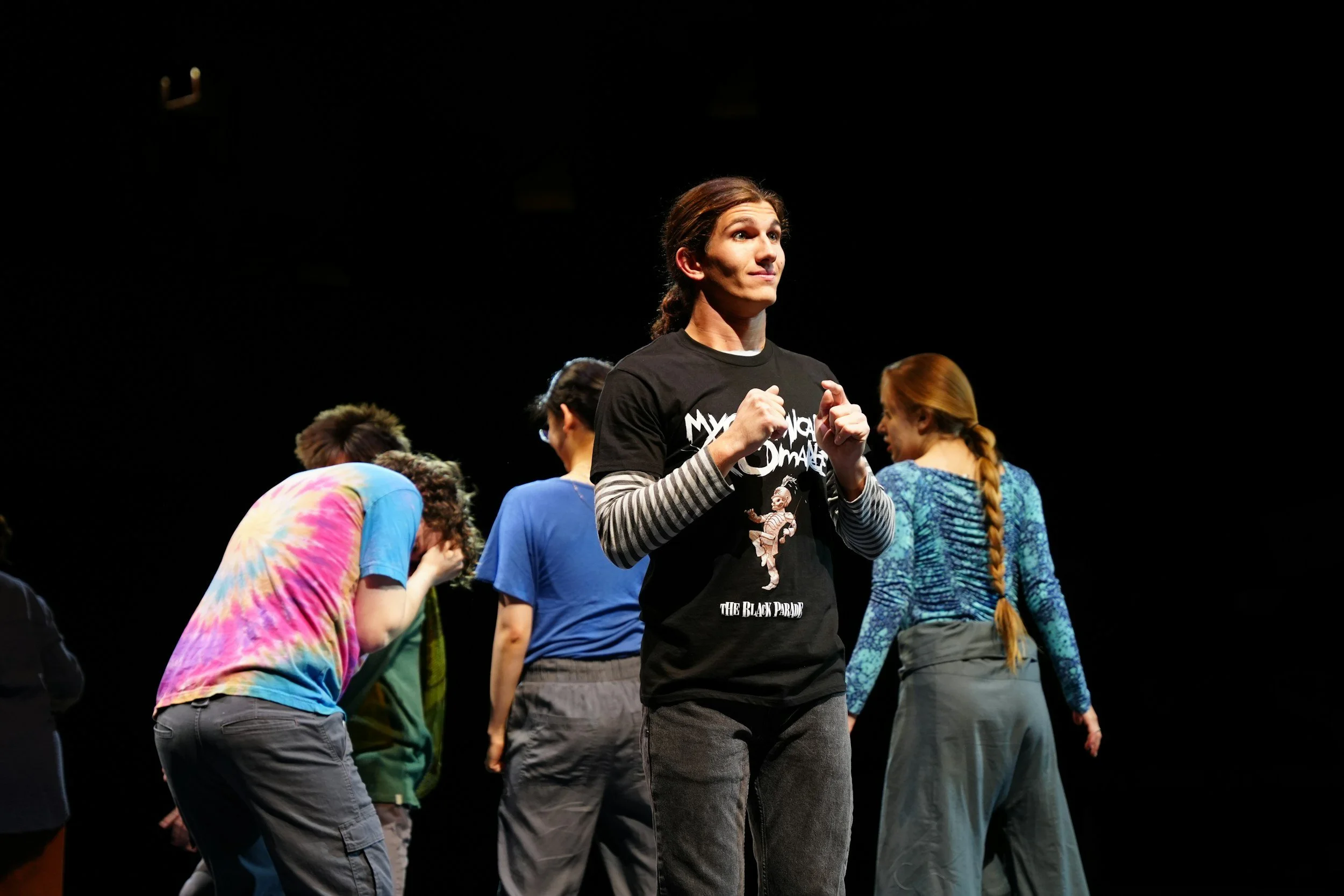
What Smart Singers Do When Audition Season Slows Down
If you're a singer or musical theater performer, you know the rhythm: audition season heats up, you hustle, then everything goes quiet for a few months. Summer in a lot of markets — Phoenix included — can feel like a dead zone. Fewer shows going up, fewer calls coming in, and it's tempting to just coast until things pick back up in the fall.
Don't do that.

The Complete Guide to Preparing for Your Musical Theater Audition (From Someone Who's Seen Thousands of Them)
Auditions are a skill. Not a talent, not a gift, not something you either have or you don't — a skill. One that improves with practice, preparation, and repetition, just like singing or acting or dancing. The performers who book consistently aren't necessarily the most talented people in the room. They're the ones who've learned how to audition well, and that's a completely separate discipline from performing well.
The Self-Tape Setup That Casting Directors Want: Lighting, Sound, and Framing Mistakes Killing Your Auditions
The self-tape is the most common audition format in the industry now. For television, film, commercial work, even a growing portion of theater, the first round is no longer an in-person callback — it's a video you record at home and submit. Many roles get cast directly off that tape. The casting director never sees you in a room. The decision about whether you advance is made entirely on the basis of what they see and hear in the file you sent.
How to Pick the Right 16-Bar Cut for Any Musical Theater Audition
If you've been to more than a handful of musical theater auditions, you've heard the same instruction. "Please prepare a 16-bar cut." Sometimes 32 bars. Sometimes a minute. Whatever the specified length, the meaning is the same: we don't have time to hear your whole song, and we want you to show us who you are in the smallest possible window.