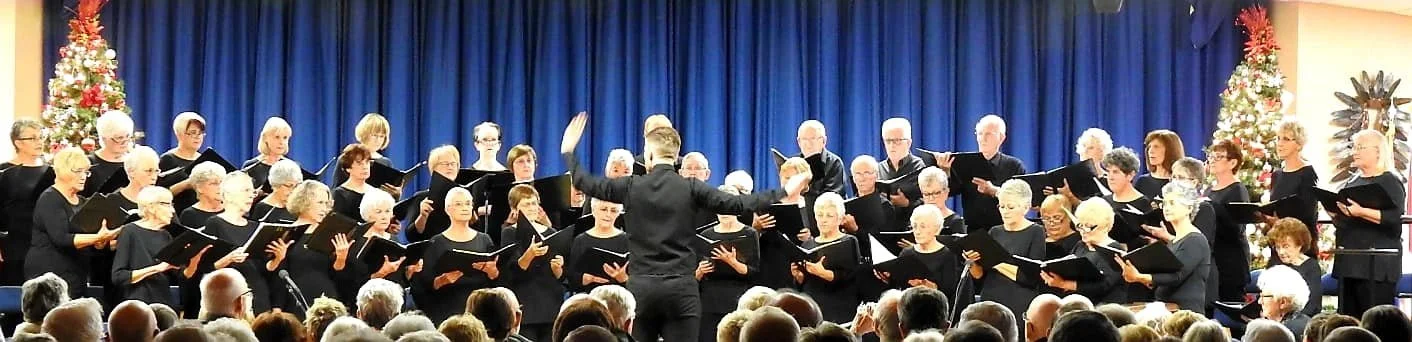
Grammy-Award Finalist Topher Keene is widely regarded as one of America’s top Acting, Singing, and Public Speaking Coaches.
From teaching kids to sing their first solo, to helping Film and Television Stars perfect their roles, to helping pro Vocalists record hit albums, to helping YouTubers and Podcasters refine their vocal skills, to helping CEOs and Executives improve communication and presentation skills, Topher Keene can help anyone develop a powerful and confident voice and improve their performance skills.
How to Self-Critique Your Own Audition Tapes Without Losing Your Mind
If there's one skill that separates voice actors who level up quickly from those who plateau for years, it's this: the ability to watch or listen back to your own auditions without crumbling, and then actually learn something useful from the experience.
Most performers hate this part. They either refuse to listen to their own recordings at all, or they listen once, hate everything, spiral into self-criticism, and never extract any actionable information from the review. Neither approach helps you grow.
Beyond Sassy and Sweet: Building a Voice Acting Repertoire That Actually Books Work
Most young voice actors start with the same handful of character types. The sassy teenager. The wide-eyed kid. The dorky best friend. The cheerful protagonist. These are the voices that come naturally, that match the actor's own age and demographic, and that show up most obviously in the animated content they grew up watching.
If you stay there, your career stalls. Casting calls come in for characters that don't fit your starter set, and you have nothing to offer. You watch other actors with broader ranges book the work that should have been yours.
The Voice Acting Self-Made Demo Recording Session: A Complete Workflow Guide
You've prepared the material. You've drilled your characters. You've made smart choices about what's going on the demo. Now comes the day of the actual recording session, and a lot of voice actors discover they didn't fully think through the workflow of capturing 30 or 40 takes efficiently in a single session.
Today I want to walk through the practical workflow of a demo recording session: how to manage takes, how to capture the variety you need, how to handle scream and shout lines without damaging your gear, and the specific techniques that come up when recording commercial work alongside character work.
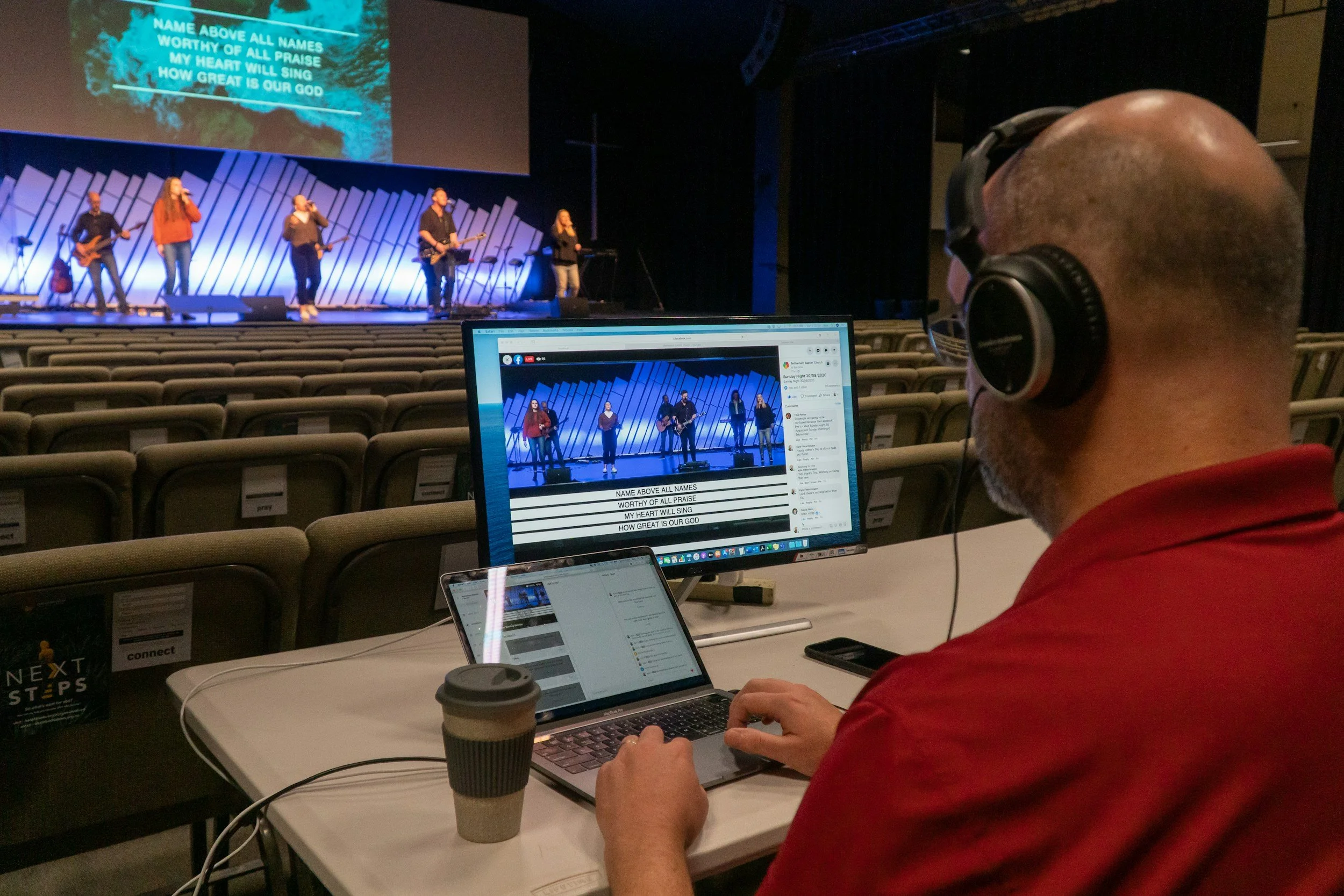
The Open Casting Call: How Big Audition Opportunities Actually Work (And Why You Should Submit Anyway)
Every once in a while, an audition opportunity comes across your radar that feels almost mythical. A major studio is opening submissions to anyone who wants to apply. Disney is taking voice actor submissions. A network is doing open casting for a new show. The kind of opportunity that, in a previous era, would have required an agent, an industry connection, or a lucky break to even know about.
Why Having a "Non-Traditional" Voice Is a Voice Acting Advantage (Not a Limitation)
There's a belief that quietly sabotages a lot of aspiring voice actors before they ever really get started: the idea that their voice has to fit into a narrow, conventional category to be castable. That they need to sound like the standard masculine leading man, or the standard feminine romantic lead, or the standard whatever-their-age-and-demographic-suggests. And if their natural voice doesn't land squarely in one of those boxes, they're at a disadvantage.
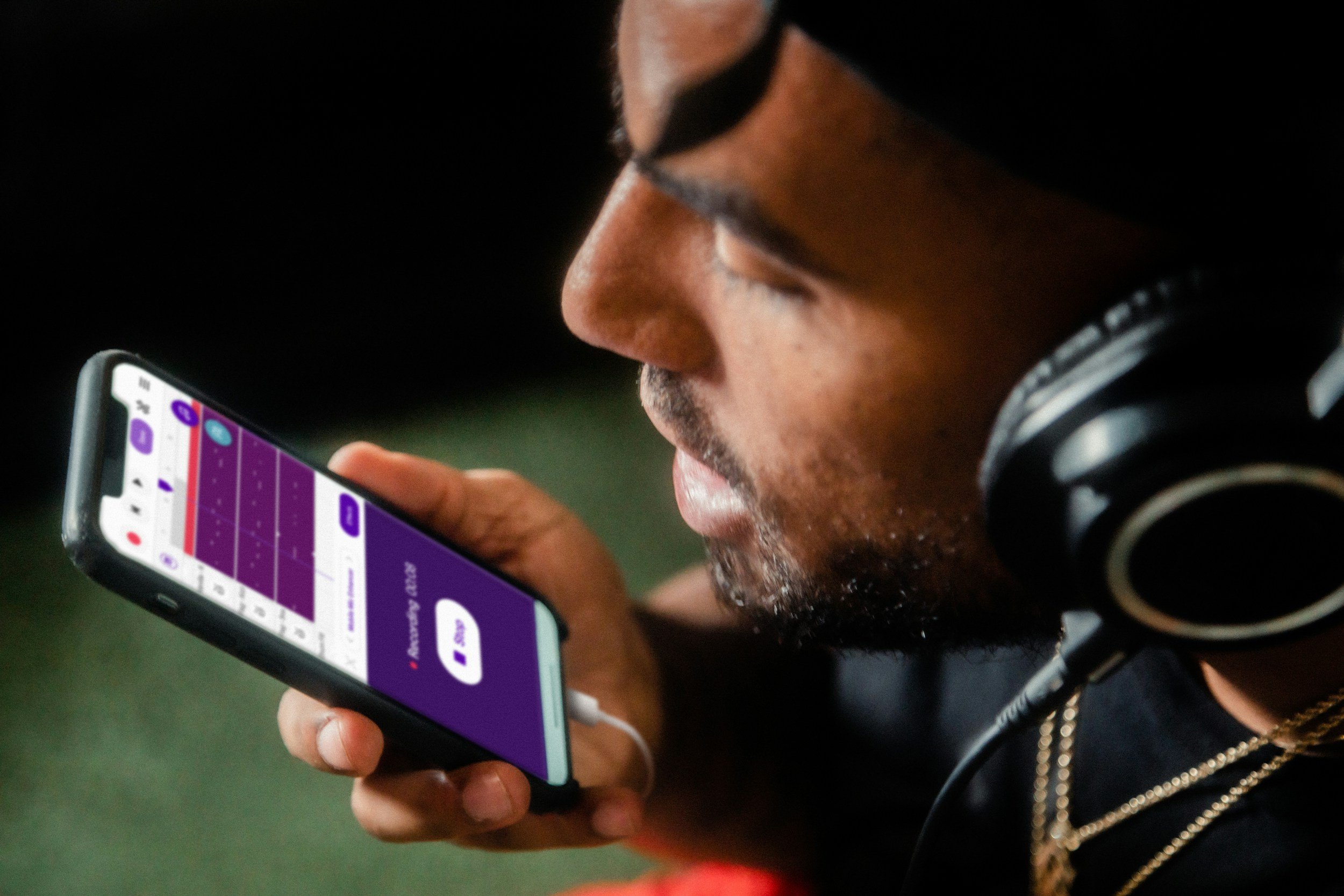
3 Quick Tips for Reading Voiceover Audition Scripts
A common trap for newer voice actors is approaching the script like a reading exercise. It isn't. The work is interpretation. You're translating words on a page into a thought that sounds like it's actually happening inside a real person's head. Here's a three-step approach that makes this click:

The Three-Year Voice Acting Plan: Realistic Career Building From Zero
There's a fantasy version of starting a voice acting career that goes something like this: you discover you have a "voice for it," you record some auditions, you submit to Netflix or a major animation studio, you book something significant, and you're launched.
The reality version is different. The performers who actually build sustainable voice acting careers go through a specific developmental arc that takes years, not months. Understanding that arc upfront prevents the disappointment that ends most aspiring voice acting careers before they really begin.
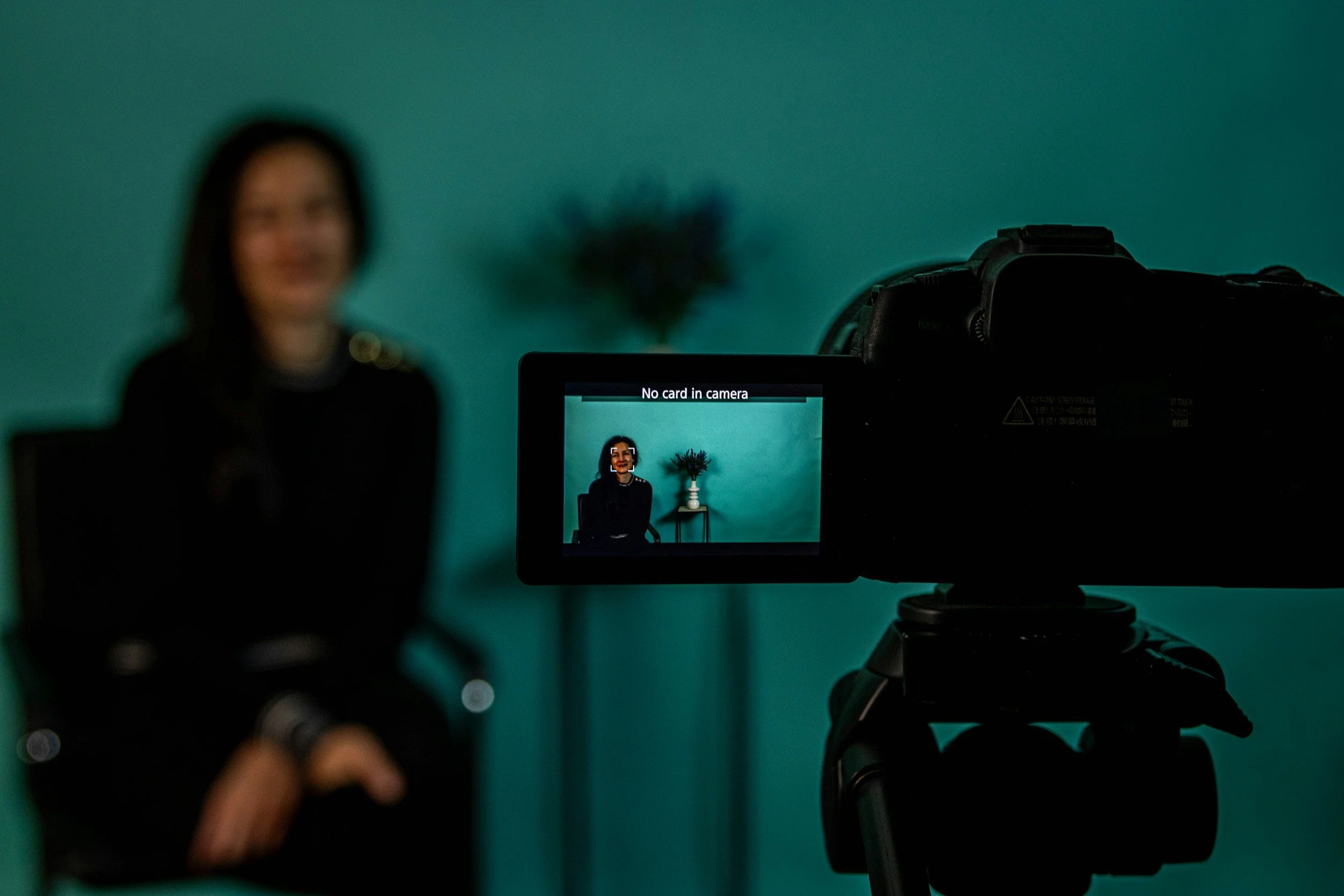
Self-Taping Like a Pro: The Practical Setup and Performance Skills Behind Great Audition Videos
The self-tape has become the dominant entry point for nearly every audition opportunity. Film, television, theater, voice acting, commercial work. Whatever you're auditioning for, you're probably submitting a video instead of (or before) showing up in person. The self-tape is your first chance to be considered, and it's a craft in itself.

Commercial Voice Acting: How to Sound Conversational When You're Reading From a Script
Commercial voice acting is its own discipline, distinct from animation voice work, video game voice acting, or audiobook narration. It has specific conventions, specific techniques, and a specific kind of capacity that doesn't always transfer from other voice work even for experienced performers.
The fundamental challenge of commercial voice acting: how do you sound like a real person genuinely sharing a thought, when you're actually reading copy that someone else wrote, often selling something you don't personally use?
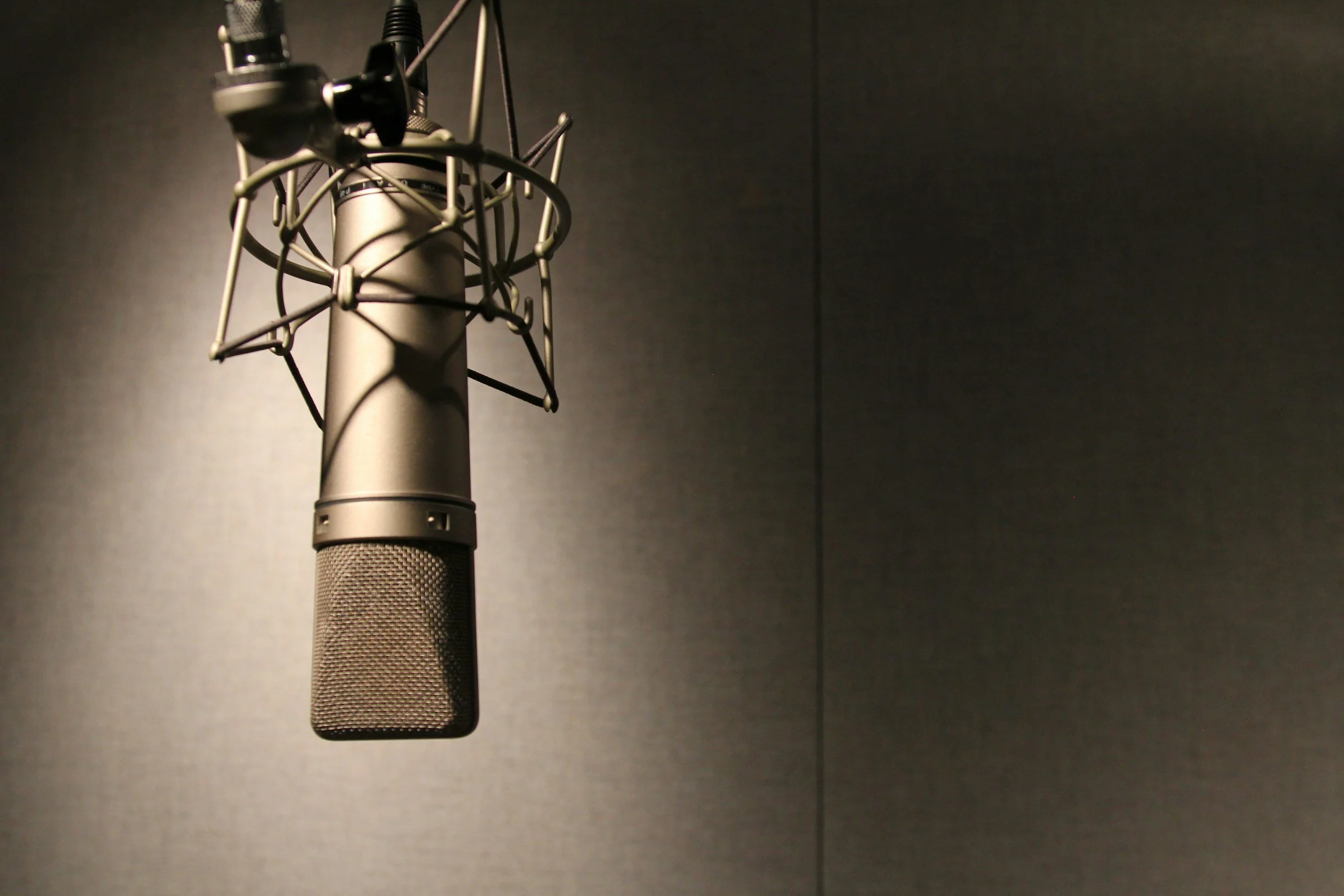
Microphone Positioning for Voice Acting: Why Setup Beats Software in the Voiceover Booth
Voice actors working in home studios face a particular challenge: we usually work in spaces that aren't acoustically ideal. Smaller rooms. Imperfect treatment. Compromises in every direction. Within these constraints, microphone placement becomes one of the most important variables we control. Get it right and your recordings sound competitive with professional studios. Get it wrong and even great gear produces compromised results.
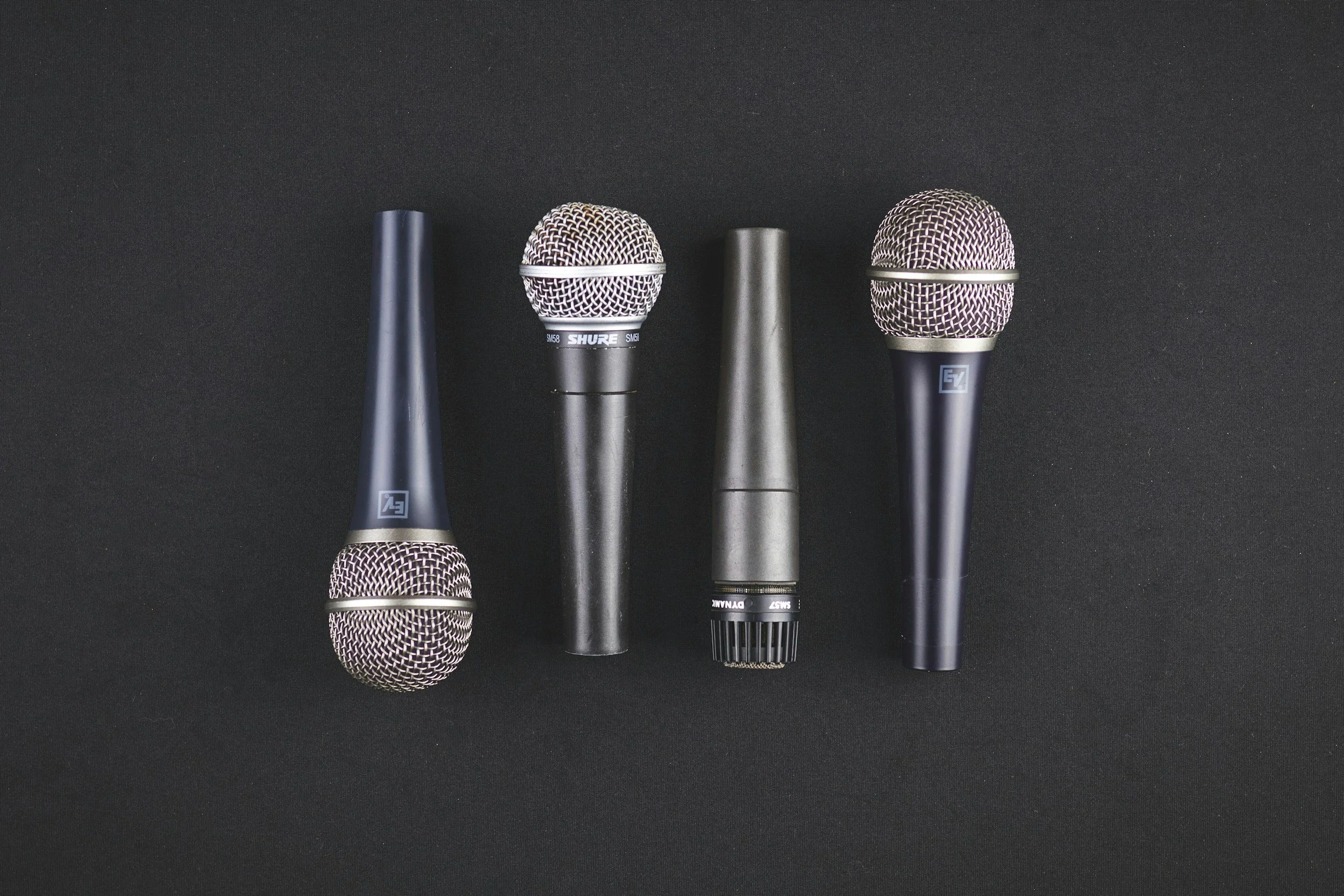
Choosing a Voiceover Microphone: What Actually Matters Before You Spend a Dollar
The first question almost every aspiring voice actor asks me is some version of "what microphone should I buy?" It's a reasonable question. The microphone is the most visible piece of equipment in any home voiceover studio, and the technical specifications can feel overwhelming when you're starting out.

How to Build a Commercial Voiceover Demo That Actually Books Work
Your demo is your resume, your audition, and your first impression all rolled into one audio file. And if you're a voice actor trying to break into commercial work, it's the single most important piece of marketing you own.
I review demos constantly — from beginners who recorded everything on a USB mic in their closet to seasoned pros looking to refresh their reel. The mistakes I see are remarkably consistent, and most of them come down to the same handful of problems. So let's break down what makes a commercial demo work, how to think about the spots you choose, and when it makes sense to invest in a professional production versus doing it yourself.
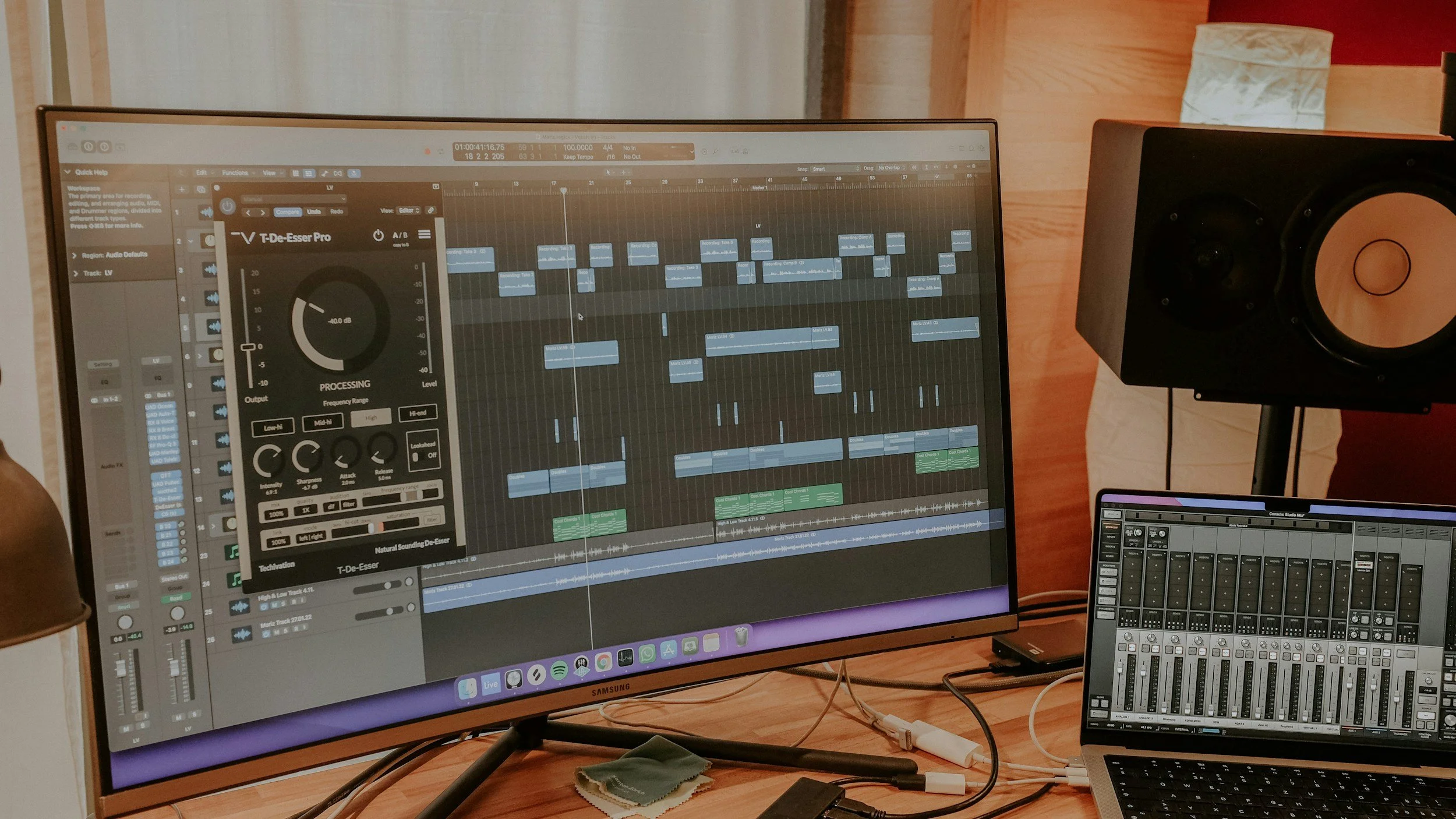
Producing a Self-Made Voice Acting Demo: Sound Design, Music Beds, and Strategic Cuts
The voice acting demo is a strange creature. It's a finished audio product (more like a short produced piece than raw vocal performance), but it's produced by someone who's primarily a performer rather than an audio engineer. The skills required to deliver compelling vocal performances are not the same skills required to mix music underneath those performances, choose appropriate sound effects, edit audio for timing precision, or balance levels for professional output.

Beyond the Cool Voice: How to Add Real Depth to Your Voice Acting
If you want to book voice acting work — especially in animation, gaming, and narrative projects — you need to move past the surface-level character voice and start thinking about emotional complexity. Here's how I approach that with the actors I coach.
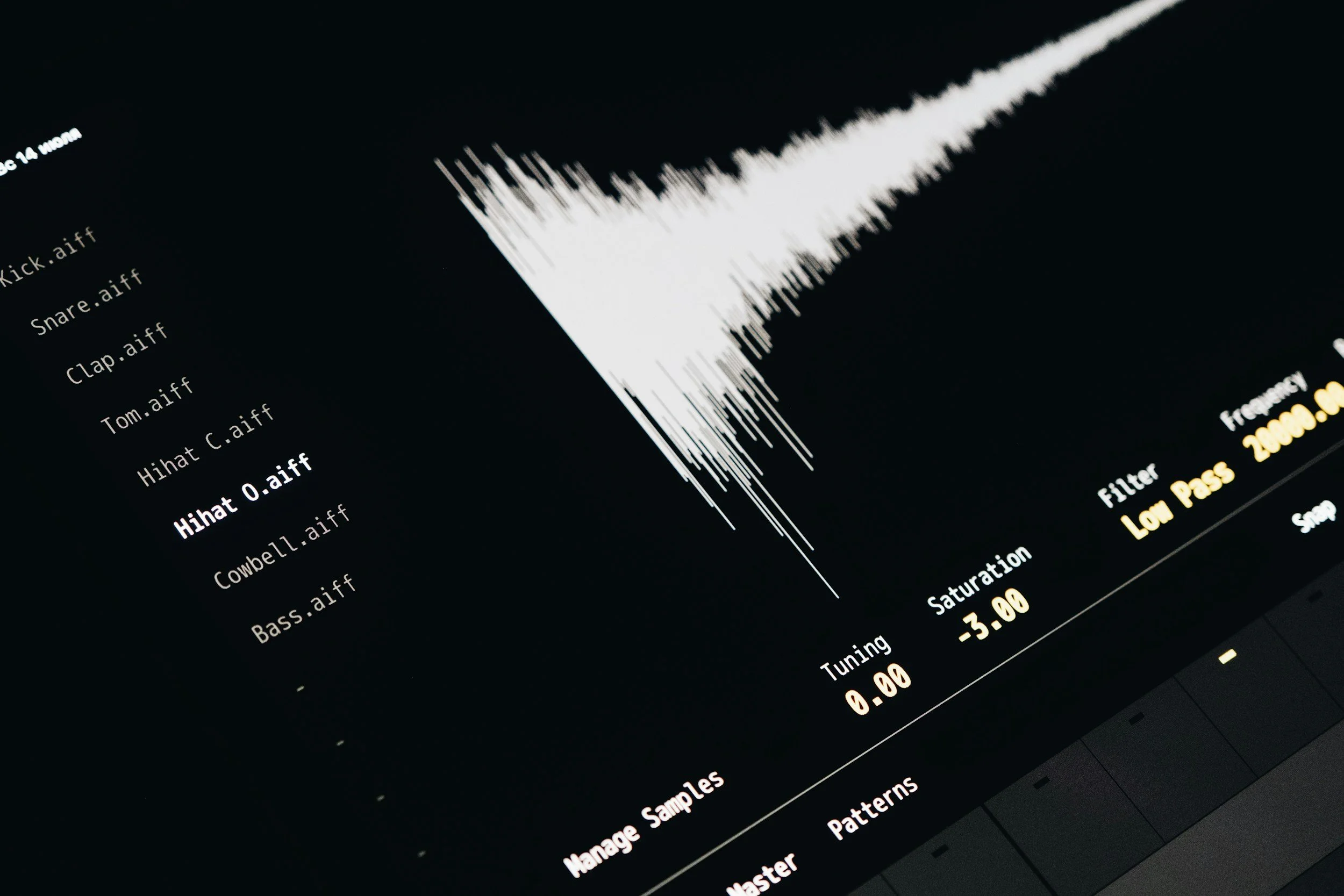
How to Build Your First Voice-Over Demo Reel (Without Rushing It and Ruining It)
Building a demo reel that actually gets you cast takes time, often several months from start to finish. That timeline scares people. They want to get their demo out there, start auditioning, start booking. I understand the urgency. But a mediocre demo reel doesn't just fail to help you. It actively works against you. Casting directors form impressions fast, and a demo that sounds amateur or unfocused tells them everything they need to know in the first ten seconds.

How to Voice Gruff, Powerful Characters Without Destroying Your Voice (Or Sounding Ridiculous)
Every voice actor hits this moment eventually. The casting call says something like "deep, gravelly, commanding presence" or "battle-hardened warrior, low register, intimidating." You know the type. You've heard it in video games, anime, audio dramas, and animation your entire life. And you want to book it.
So you drop your voice as low as it'll go, add some gravel, and growl your way through the audition.
And it sounds terrible.
Advanced Vocal Technique for Voice Actors
Most voice actors plateau in the same way singers do — but the plateau is harder to see, because voice acting performance quality is graded on character believability rather than tonal beauty. A voice actor can sound believable while running technique that will damage the cords across a long session. The plateau is invisible until the voice gives out at hour four of a video game session, or until a director starts noticing that takes ten and twenty don't match takes one and two.

Dungeons and Dragons Audition Lines for Voice Actors, Vol. 10
Push your fantasy voice acting craft further with these original tabletop-inspired character practice lines, designed for Dungeons & Dragons campaigns, animated fantasy series, and immersive RPG auditions. Each character delivers distinct vocal qualities, emotional range, and tonal variety to help you refine your performances, broaden your demo reel, and land your next high-fantasy voiceover role.

Voice Acting Practice Lines for Anime Auditions, Vol. 10
Continue strengthening your anime audition prep with another fresh set of original character practice lines crafted to test vocal versatility, emotion, and tonal range. This collection introduces new archetypes including sports captains, court mages, slime monsters, retired heroes, and reluctant maids. Ideal for anime dub auditions, demo reel recording, and ADR practice across sports, fantasy, comedy, supernatural, and slice-of-life genres.

Voice Acting Practice Lines for Video Game Auditions, Vol. 10
Keep expanding your audition material with another original batch of video game character practice lines built for voice actors at every level. This set introduces fresh archetypes including duelists, scholars, outlaws, and spectral figures, each crafted to challenge tone, pacing, and emotional commitment. Ideal for demo reels, casting prep, and sharpening character work across fantasy, sci-fi, horror, and stealth-action titles.