Grammy-Award Finalist Topher Keene is widely regarded as one of America’s top Acting, Singing, and Public Speaking Coaches.
From teaching kids to sing their first solo, to helping Film and Television Stars perfect their roles, to helping pro Vocalists record hit albums, to helping YouTubers and Podcasters refine their vocal skills, to helping CEOs and Executives improve communication and presentation skills, Topher Keene can help anyone develop a powerful and confident voice and improve their performance skills.



The Three Pillars of Vocal Technique Every Singer and Actor Needs
Most vocal problems are one of three things. Two decades of coaching singers and actors across every level has taught me that the variety of complaints I hear in a first lesson collapses, almost without exception, into a small number of technical patterns. The singer who can't reach the high note. The actor whose voice tires after a long shoot day. The choir member whose voice doesn't blend. The pastor whose throat hurts by the third service. All of these problems live in one of three places, and once you know which place to look, the fix is almost always faster to apply than the problem was to develop.
Voice Teacher vs Vocal Coach vs Voice Builder: Which Do You Actually Need?
Two decades of coaching across all three roles has taught me that the distinction is real, useful, and almost never explained to the people it most affects. The wrong professional for your stage of development will waste your money and stall your progress. The right one can compress years of fumbling into months of focused work. This post is the working framework for telling them apart.
The 60-Second Daily Vocal Practice That Actually Builds Your Voice
Most singers who want to practice don't, because the friction of practicing is higher than the friction of skipping a day. Pull up the phone. Find the YouTube track. Make sure no one's around. Set up the pitch. Get through five minutes of exercises. By the time you've assembled the conditions for practice, the impulse has often faded. A week becomes two weeks becomes a month, and the daily training that builds a voice never quite happens.
Why the Lip Bubble Is the Most Important Vocal Exercise You'll Ever Do
Every voice teacher, choir director, and vocal coach I respect uses the lip bubble. Pop coaches use it. Classical pedagogues use it. Broadway voice teachers use it. Speech-level singing instructors use it. It's the rare technical exercise that crosses every methodology and every genre, and the reason is that no other single exercise does as much work in as little time. If you only have time for one vocal exercise a day, this is the one to do.
Practice vs Training: The Strength-Coach Approach to Building Your Voice
Most singers think they need more practice. What they actually need is more training. The distinction sounds like semantic hair-splitting until you understand what each word actually points at, and then it becomes one of the most useful framings in all of vocal pedagogy. Practice is what you do with an instrument you already have. Training is what builds the instrument itself. The two work together, but they are not the same thing, and confusing them costs most singers years of development they didn't have to lose.
Advanced Vocal Technique for Choir Singers
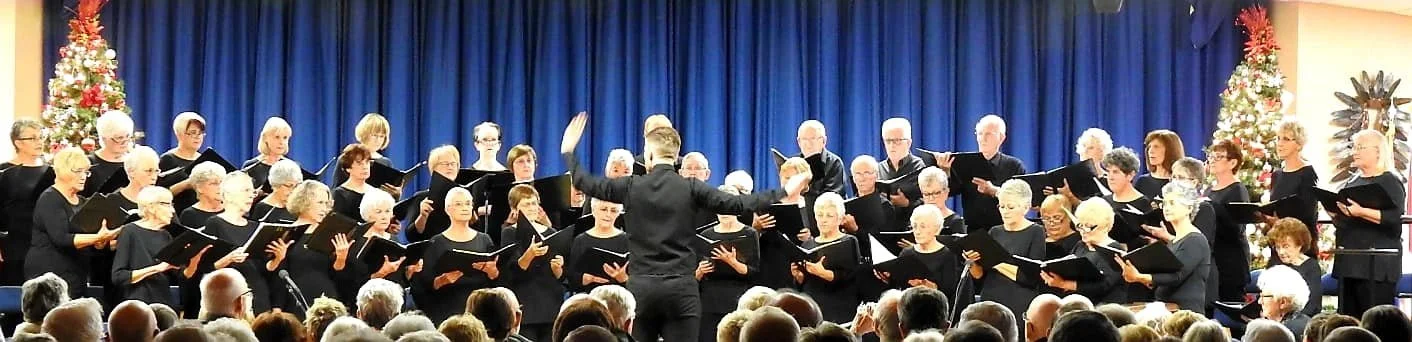
Choir singing is one of the most technically demanding vocal disciplines and one of the least understood. Soloists who can deliver an aria flawlessly often cannot blend cleanly in a choral section. The technical demands of ensemble singing are not lower than solo singing; they are different. The vocal habits that produce a great solo voice frequently undermine ensemble cohesion, and the singers who excel at both are the ones who consciously train the choral-specific technical layer.
Vocal Health for Teachers
Teachers are the most overworked professional voice users in the country. The National Institute on Deafness and Other Communication Disorders (NIDCD) and the American Speech-Language-Hearing Association both report that 10–15% of teachers have a voice disorder at any given time, and roughly 1 in 10 teachers will eventually have to modify their job or leave the profession because of a voice issue. Teachers are at higher risk of voice disorders than singers. Most teachers do not know this.