
Grammy-Award Finalist Topher Keene is widely regarded as one of America’s top Acting, Singing, and Public Speaking Coaches.
From teaching kids to sing their first solo, to helping Film and Television Stars perfect their roles, to helping pro Vocalists record hit albums, to helping YouTubers and Podcasters refine their vocal skills, to helping CEOs and Executives improve communication and presentation skills, Topher Keene can help anyone develop a powerful and confident voice and improve their performance skills.

Ace Your Audition: The Complete Guide to Booking Work in Theater, Film, and Voice Acting
Auditions are strange. You spend months building your skills, refining your craft, and preparing material, and then your entire case for getting cast comes down to a few minutes in a room (or a self-tape sent into the void). It's high pressure, low feedback, and relentlessly ongoing.
Here's the good news: most of what makes the difference between auditions that book and auditions that don't isn't talent. It's preparation, professionalism, and a set of specific habits that most performers never get taught directly. The performers who book consistently aren't usually the most naturally gifted. They're the ones who treat auditioning as its own craft and develop the specific skills that craft requires.
The Three-P Framework for Voice Acting Performance: Pitch, Pace, and Projection
Most voice acting performances that don't book aren't bad in any obvious way. They're not off-pitch. They're not unprofessional. They're not poorly recorded.
They're just flat.
The voice actor walks through the script with consistent tone, consistent volume, consistent rhythm, consistent energy. Everything sits at the same average level for the whole take. And while nothing technically wrong happened, nothing memorable happened either. The casting team listens, nods, and moves on to the next file.
This is the single most common gap I see in developing voice actors, and the good news is that fixing it doesn't require a different voice or more talent. It requires a framework. Today I want to walk you through what I call the Three-P framework: Pitch, Pace, and Projection. Master these three variables and you'll add dimension to every performance you record.

Keeping Your Voice Alive: Vocal Health Tips Every Singer and Actor Should Know
Your voice is the only instrument you can't put down, replace, or take to a repair shop. Everything runs through it, every audition, every session, every performance, every late night rehearsal in a dry studio with recycled air and bad coffee. Most performers wait until something goes wrong to start taking care of it. Don't be that person. Build the habits now, before your voice reminds you the hard way that you've been neglecting it.
Here's everything I've picked up from years in the room with singers and actors who take this seriously.
Building a Self-Made Voice Acting Demo Reel to Start Your Voiceover Journey
Here's an uncomfortable truth about voice acting: your demo reel is the single most important calling card you have, and most aspiring voice actors build theirs completely wrong.
They pick characters they love. They record lines that feel fun. They string together takes that showcase their "range" by jumping across wildly different styles in 90 seconds. Then they send it out, hear nothing back, and wonder what went wrong.
The demo reel that actually gets you hired is a strategic document, not a vanity project. It takes months of preparation to build well, and if you're doing it right, you're studying, practicing, and recording in deliberate layers over a long timeline.

The Voice Acting Auditions Roadmap: How to Build a Real Career (Not Just a Reel)
If you've been trying to break into voice acting, you've probably noticed something frustrating: there's no clear path. Singers have conservatories. Actors have showcases and agents. Voice actors? You're mostly figuring it out alone, in a closet, hoping someone notices the demo you spent six months perfecting.
What actually moves the needle when you're trying to build a voiceover career from scratch? This isn't about fancy gear or which microphone the pros use. This is about the workflow, the mindset, and the small technical and creative choices that separate hobbyists from working VO talent.

Active vs. Descriptive Monologues: The Acting Tool That Will Transform Your Auditions
You've spent hours combing through monologue books, scrolling endless websites, and digging into plays trying to find the one. The monologue that finally lets you book the role. And even when you find something you think might work, there's this nagging feeling when you perform it that you're not doing enough. That something's missing. That you're technically delivering the words but not actually living in them.
Stop Perfecting, Start Submitting: Why Volume Is the Secret to Voice Acting Success
If you're sitting at your home studio agonizing over a single audition for the third hour in a row, I need you to hear something: you're doing it wrong.
I don't say that to be harsh. I say it because I've watched countless voice actors stall out at the starting line, convinced that every audition needs to be a masterpiece before they hit "submit." Meanwhile, the actors who are actually booking work? They're playing a numbers game — and they're winning.

Want to Be a "Triple Threat" in Musical Theater? Here's the Skill Most Singers Overlook
If you've ever sat in on a musical theater audition room, scrolled through casting calls, or talked to working performers about how they actually pay their bills, you've probably noticed something: the people booking the most work aren't always the best singers in the room. They're the most versatile ones.
In my studio, I spend a lot of time talking with students about the difference between being a great singer and being a great hireable singer. Those are two different things. And today I want to dig into two areas that can genuinely move the needle on your career: developing a fuller vocal toolkit (including the "ugly" sounds), and adding piano to your skillset.

Singers: You Don't Need More Power — You Need More Control
Why the strongest singers are often the ones holding back
Here's something I tell almost every new student who walks through my door (or logs into my Zoom): you probably don't need to sing louder. You need to sing smarter.
When you love rock, metal, or anything with grit and intensity, your instinct is to push. Belt it out. Leave it all on the floor. And honestly? That impulse means you've got something most singers would kill for — raw power and fearlessness. But power without control is like swinging a sledgehammer at a thumbtack. You'll hit it eventually, but you'll destroy the table in the process.
So let's talk about what "singing smarter" actually looks like.
Advice and Timelines for Young People Getting Started as Voice Actors
Are you hoping to get started with Voice Acting as a career but don’t know where to begin?
Classes, Lessons, Coaching, YouTube Videos, Books, Online Courses, etc. can all be wonderfully helpful to beginners, but what do you expect when it comes to making money, quitting your job, and becoming a full-time Voice Actor for animation, films, TV, and video games?
The following path is what most of my students go through. Even the established married older adults go through something like this, but young people have a few advantages since they have fewer commitments to worry about in transitioning their careers.
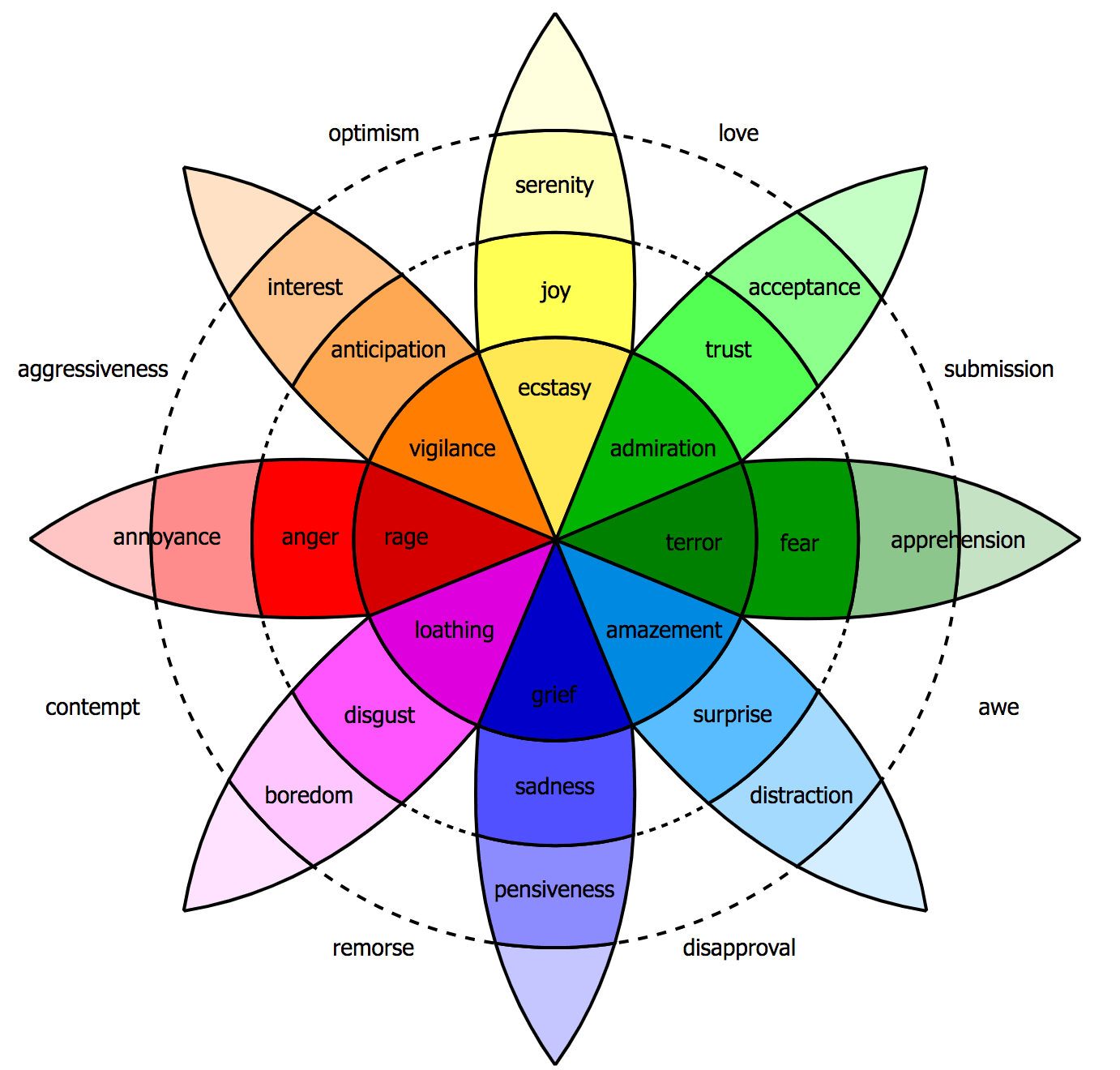
Why Your Acting Feels Flat (And How to Add Emotional Color to Every Scene)
You've probably had this experience: you read a scene out loud, you hit all the words, you don't fumble a single line, and then you watch the playback and think... that was so boring.
You weren't bad. You were technically fine. But there was nothing happening underneath the words. No texture. No life. Just a person reading a script accurately.
This is the single most common plateau actors hit, especially in early training. The good news is it's not a talent problem. It's a toolkit problem. You haven't been given the specific techniques for adding emotional dimension to a performance. So today, I want to walk you through the frameworks I use with students who are stuck in monotone delivery and want to break out of it.
How to Self-Critique Your Own Audition Tapes Without Losing Your Mind
If there's one skill that separates voice actors who level up quickly from those who plateau for years, it's this: the ability to watch or listen back to your own auditions without crumbling, and then actually learn something useful from the experience.
Most performers hate this part. They either refuse to listen to their own recordings at all, or they listen once, hate everything, spiral into self-criticism, and never extract any actionable information from the review. Neither approach helps you grow.

The Vocal Technique That Will Transform Your Songs: Mastering Dynamic Contrast
You've been singing your favorite song for weeks. You know every word. Your pitch is solid. You can hold the long notes without running out of breath. And yet, when you listen back to your recordings, something feels... flat. Not technically wrong. Just unexciting.
Nine times out of ten, what you're missing isn't a vocal skill problem. It's a dynamics problem.
Singers who sound interesting to listen to aren't necessarily the ones with the most powerful voices or the widest ranges. They're the ones who understand how to use contrast. Soft versus loud. Tender versus powerful. A held note that grows and blooms versus one that just sits there at one volume the entire time.

Managing Multiple Auditions: The Working Performer's Guide to Scheduling, Strategy, and Professional Conduct
At some point in your performing career, something strange and wonderful happens: you start getting cast enough that scheduling becomes a problem. You have a callback for one show on the same night as an audition for another. You're already in rehearsals for one production when a more exciting opportunity appears. You're being asked to commit to something before you know whether you booked the thing you really want.
Your First Track Has 47 Streams. Here's Why That's Actually Kind of Incredible.
You put out your first song. You told your friends. You refreshed Spotify for Artists seventeen times in the first week. And now it's sitting at 47 streams and you're wondering if you wasted your time.
You didn't. Let me show you why.

Stop Overthinking Your Singing: Why Performance Experience Beats Practice-Room Perfection
There's a particular kind of singer I see all the time in my studio. They're technically advanced. They know their breath support. They can nail scales, hit notes cleanly, and analyze their own voice in granular detail. Ask them to break down what's happening in a specific passage and they can give you a dissertation on vowel placement, vocal onset, and resonance balance.
Then you ask them to sing a whole song with emotional conviction, and the performance falls flat.
This isn't a talent problem. It's a wiring problem. They've trained themselves to live at the micro level, note by note, and they've lost the ability to zoom out and just sing. The technical focus that helped them build their instrument is now the thing preventing them from using it expressively.
If any of this sounds familiar, this post is for you. Today I want to walk through the macro versus micro problem, why live performance experience is the cure, and some practical ways to force yourself out of the practice-room comfort zone and into the kind of exposure that actually grows performers.

Finding Your Authentic Singing Voice: Why Imitation Is Holding You Back
There's a moment in every developing singer's journey where they have to make a choice. They've been learning by imitating the artists they love, studying how their favorite vocalists sound, trying to replicate those tones and phrasings and textures. And at some point, they have to decide: am I going to keep being a really good copy, or am I going to become myself?
Most singers get stuck in the copying phase for years. Some never leave it. They develop impressive technical range, they can nail every run and ornament from the original recording, and yet when you hear them sing, you don't hear them. You hear a high-quality impression of someone else.
Ear Training for Singers: How to Actually Develop Your Musical Ear (Without Perfect Pitch)
Let's bust a myth right at the start: you don't need perfect pitch to be a great musician.
This belief sabotages more developing musicians than almost any other. People decide early on that because they can't name a note when it's played in isolation, they're somehow musically deficient. They feel locked out of higher-level musicianship. They watch the rare friend who can identify any note on hearing it and assume that ability is a prerequisite for serious musical work.
It's not. Most working professional musicians do not have perfect pitch. They have something different and arguably more useful: well-developed relative pitch, kinesthetic pitch awareness, and trained interval recognition. These are skills you can absolutely develop at any age, with the right approach and consistent practice.
Beyond Sassy and Sweet: Building a Voice Acting Repertoire That Actually Books Work
Most young voice actors start with the same handful of character types. The sassy teenager. The wide-eyed kid. The dorky best friend. The cheerful protagonist. These are the voices that come naturally, that match the actor's own age and demographic, and that show up most obviously in the animated content they grew up watching.
If you stay there, your career stalls. Casting calls come in for characters that don't fit your starter set, and you have nothing to offer. You watch other actors with broader ranges book the work that should have been yours.
The Voice Acting Self-Made Demo Recording Session: A Complete Workflow Guide
You've prepared the material. You've drilled your characters. You've made smart choices about what's going on the demo. Now comes the day of the actual recording session, and a lot of voice actors discover they didn't fully think through the workflow of capturing 30 or 40 takes efficiently in a single session.
Today I want to walk through the practical workflow of a demo recording session: how to manage takes, how to capture the variety you need, how to handle scream and shout lines without damaging your gear, and the specific techniques that come up when recording commercial work alongside character work.