
Grammy-Award Finalist Topher Keene is widely regarded as one of America’s top Acting, Singing, and Public Speaking Coaches.
From teaching kids to sing their first solo, to helping Film and Television Stars perfect their roles, to helping pro Vocalists record hit albums, to helping YouTubers and Podcasters refine their vocal skills, to helping CEOs and Executives improve communication and presentation skills, Topher Keene can help anyone develop a powerful and confident voice and improve their performance skills.

Singers: You Don't Need More Power — You Need More Control
Why the strongest singers are often the ones holding back
Here's something I tell almost every new student who walks through my door (or logs into my Zoom): you probably don't need to sing louder. You need to sing smarter.
When you love rock, metal, or anything with grit and intensity, your instinct is to push. Belt it out. Leave it all on the floor. And honestly? That impulse means you've got something most singers would kill for — raw power and fearlessness. But power without control is like swinging a sledgehammer at a thumbtack. You'll hit it eventually, but you'll destroy the table in the process.
So let's talk about what "singing smarter" actually looks like.

The Vocal Technique That Will Transform Your Songs: Mastering Dynamic Contrast
You've been singing your favorite song for weeks. You know every word. Your pitch is solid. You can hold the long notes without running out of breath. And yet, when you listen back to your recordings, something feels... flat. Not technically wrong. Just unexciting.
Nine times out of ten, what you're missing isn't a vocal skill problem. It's a dynamics problem.
Singers who sound interesting to listen to aren't necessarily the ones with the most powerful voices or the widest ranges. They're the ones who understand how to use contrast. Soft versus loud. Tender versus powerful. A held note that grows and blooms versus one that just sits there at one volume the entire time.

Your First Track Has 47 Streams. Here's Why That's Actually Kind of Incredible.
You put out your first song. You told your friends. You refreshed Spotify for Artists seventeen times in the first week. And now it's sitting at 47 streams and you're wondering if you wasted your time.
You didn't. Let me show you why.

Stop Overthinking Your Singing: Why Performance Experience Beats Practice-Room Perfection
There's a particular kind of singer I see all the time in my studio. They're technically advanced. They know their breath support. They can nail scales, hit notes cleanly, and analyze their own voice in granular detail. Ask them to break down what's happening in a specific passage and they can give you a dissertation on vowel placement, vocal onset, and resonance balance.
Then you ask them to sing a whole song with emotional conviction, and the performance falls flat.
This isn't a talent problem. It's a wiring problem. They've trained themselves to live at the micro level, note by note, and they've lost the ability to zoom out and just sing. The technical focus that helped them build their instrument is now the thing preventing them from using it expressively.
If any of this sounds familiar, this post is for you. Today I want to walk through the macro versus micro problem, why live performance experience is the cure, and some practical ways to force yourself out of the practice-room comfort zone and into the kind of exposure that actually grows performers.

Finding Your Authentic Singing Voice: Why Imitation Is Holding You Back
There's a moment in every developing singer's journey where they have to make a choice. They've been learning by imitating the artists they love, studying how their favorite vocalists sound, trying to replicate those tones and phrasings and textures. And at some point, they have to decide: am I going to keep being a really good copy, or am I going to become myself?
Most singers get stuck in the copying phase for years. Some never leave it. They develop impressive technical range, they can nail every run and ornament from the original recording, and yet when you hear them sing, you don't hear them. You hear a high-quality impression of someone else.
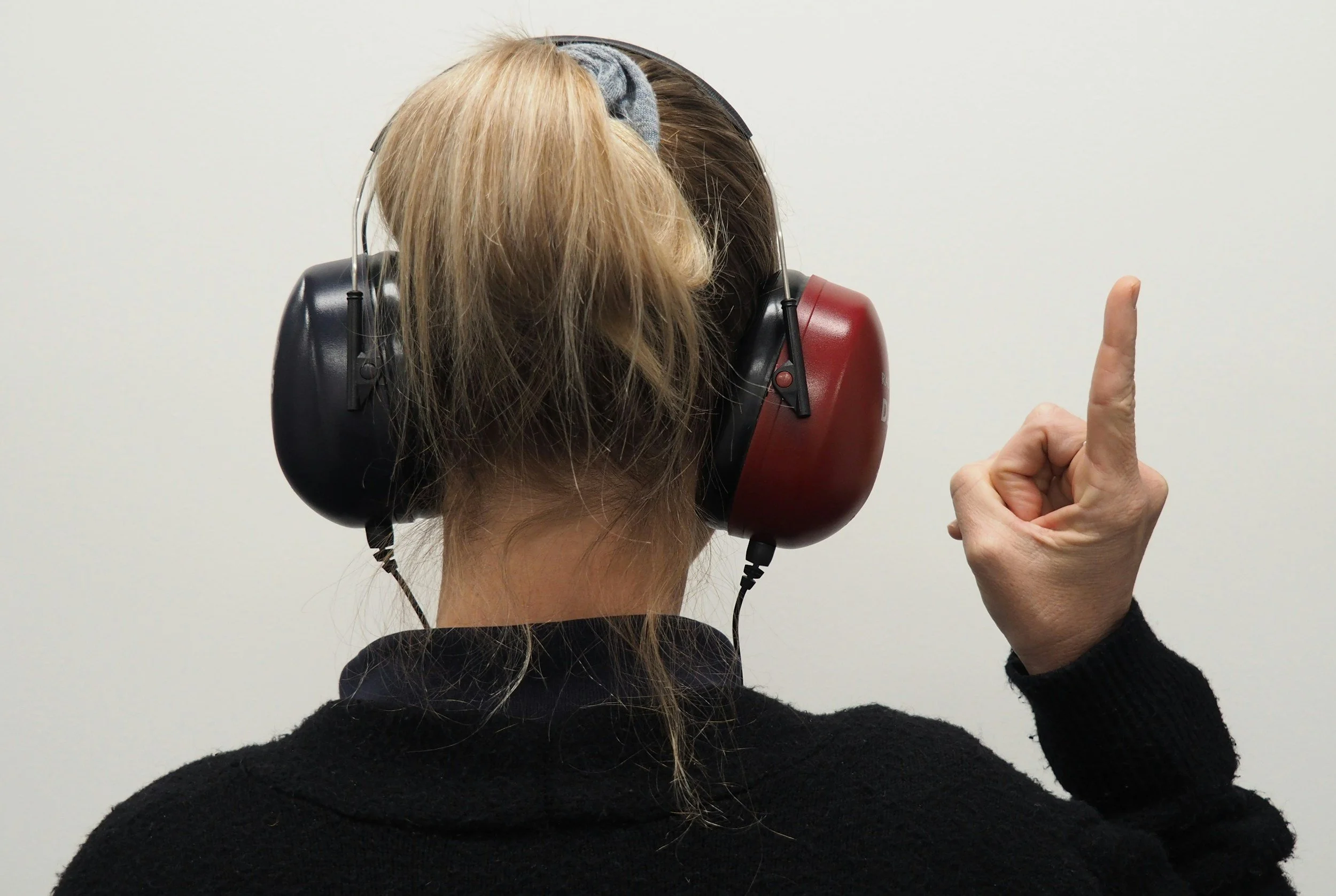
Ear Training for Singers: How to Actually Develop Your Musical Ear (Without Perfect Pitch)
Let's bust a myth right at the start: you don't need perfect pitch to be a great musician.
This belief sabotages more developing musicians than almost any other. People decide early on that because they can't name a note when it's played in isolation, they're somehow musically deficient. They feel locked out of higher-level musicianship. They watch the rare friend who can identify any note on hearing it and assume that ability is a prerequisite for serious musical work.
It's not. Most working professional musicians do not have perfect pitch. They have something different and arguably more useful: well-developed relative pitch, kinesthetic pitch awareness, and trained interval recognition. These are skills you can absolutely develop at any age, with the right approach and consistent practice.

Singing Through Illness: How to Practice When Your Voice Isn't at Its Best
Every singer eventually faces the same dilemma: you're sick, your voice isn't where it normally is, and you have to decide what to do with your practice routine. Skip practice entirely until you're better? Push through and risk making things worse? Find some middle path?
The standard advice is "rest your voice when you're sick." That's not wrong, exactly, but it's incomplete. The full picture is more nuanced, and the singers who handle illness intelligently come back from it stronger rather than further behind.


Finding Your Vocal Twin: Why Copying the Wrong Singers Is Sabotaging Your Practice
Your favorite singers are often the ones with the most impressive voices, the most distinctive styles, the most virtuosic technique. They're the singers everyone loves, which is partly why you love them too. But they're rarely the singers whose voices match your specific instrument.
This creates a problem that quietly limits a lot of vocal development: you spend your practice time studying and imitating singers whose voices don't tell you anything useful about your own.

Why You Should Practice Songs You Don't Even Like: The Case for Standards in Voice Training
You don't always practice the songs you want to perform. You practice the songs that develop the skills you need to eventually perform anything well.
Today I want to talk about why classic standards from the 1950s and 60s are some of the most useful technical training material available, regardless of your actual genre interests. I'll cover why specific repertoire serves specific developmental purposes, how to approach unfamiliar styles without getting lost in performance pressure, and the foundational vocal warm-up framework that supports everything else you do as a singer.

The Magic of Closing Your Eyes: How to Sing With Feeling Instead of Technique
Most developing singers eventually hit the same wall. They've learned the technique. They've worked the breath support. They know their registers. They can execute the exercises their teachers assign. And yet when they perform a song, something is missing. The technical work is in place but the feeling isn't coming through.

Building a Karaoke-Ready Audition Book: How to Actually Prepare for Musical Theater Auditions
There's a specific moment every musical theater performer hits early in their training where they realize something that nobody told them directly: audition prep is a completely different skill from singing along to your favorite songs in your car.
You can have a beautiful voice. You can know every word of every Broadway cast album. You can have been singing since you were five. And you can still walk into an audition room completely unprepared, because "knowing a song" in the casual sense is not the same thing as having a song audition-ready.
The 60-Second Daily Vocal Practice That Actually Builds Your Voice
Most singers who want to practice don't, because the friction of practicing is higher than the friction of skipping a day. Pull up the phone. Find the YouTube track. Make sure no one's around. Set up the pitch. Get through five minutes of exercises. By the time you've assembled the conditions for practice, the impulse has often faded. A week becomes two weeks becomes a month, and the daily training that builds a voice never quite happens.
Why the Lip Bubble Is the Most Important Vocal Exercise You'll Ever Do
Every voice teacher, choir director, and vocal coach I respect uses the lip bubble. Pop coaches use it. Classical pedagogues use it. Broadway voice teachers use it. Speech-level singing instructors use it. It's the rare technical exercise that crosses every methodology and every genre, and the reason is that no other single exercise does as much work in as little time. If you only have time for one vocal exercise a day, this is the one to do.

Your Voice Is Tired — Now What? A Vocal Coach's Guide to Recovery After Overuse
You sang at a party. You talked over loud music at a restaurant for three hours. You performed a gig, then went straight to a social event and kept talking all night. And now your voice sounds like it's been dragged through gravel.
Welcome to vocal fatigue. Every singer deals with it eventually, and most of them handle it wrong.
How to Find Your Vocal Style in Classic Rock: Grit, Brightness, and Everything In Between
Classic rock is one of the most vocally diverse genres ever recorded. From raw, raspy power to smooth, soaring melodies, the singers who defined the genre each brought something unmistakably theirs to the microphone. And that's exactly what makes it so tricky to cover.
If you're a singer working classic rock into your setlist, you've probably wrestled with the big question: how do I make these songs sound like me without losing what made them great in the first place? The answer isn't imitation. It's learning how to apply style characteristics — grit, brightness, darkness, volume dynamics — intentionally and strategically across your repertoire.
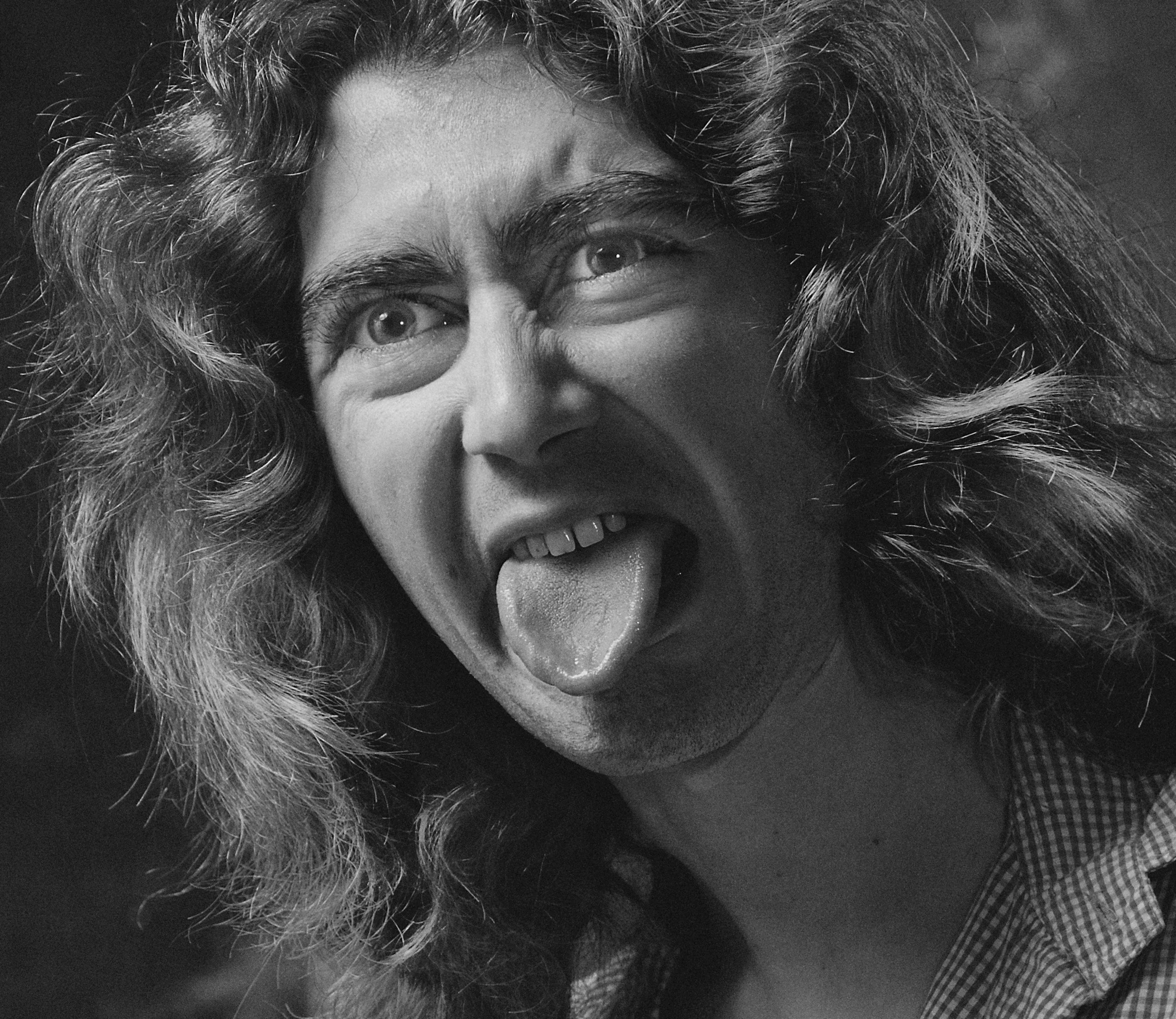
Stop Singing Pretty: Why Some Musical Theater Characters Need Your Boldest, Ugliest Voice
I get it. You've spent years training your voice to be controlled, polished, and technically clean. And then a role comes along — a villain, a comic relief, an over-the-top diva — and suddenly all that polish is working against you. The character doesn't want pretty. The character wants loud, messy, brash, and maybe a little unhinged.

You're Ready to Start Singing — Here's What Most Beginners Get Wrong
If you've been singing along in your car, humming in the shower, performing entire concerts for your bedroom mirror — you're already singing. The gap between where you are right now and where you want to be is almost never as wide as you think it is. Most beginners are far more ready than they give themselves credit for. What's actually holding them back isn't talent. It's confidence, a lack of structure, and not knowing what to work on first.

Stop Shouting, Start Singing: Why Your Powerful Voice Sounds Strained (And How to Fix It)
Here's the thing nobody has told you yet: your problem isn't that you lack power. Your problem is that power is the only tool in your toolbox. And until you develop the rest of your technique, all that natural strength is actually working against you.

You Don't Have to Sound Like Them: How to Sing Big Songs With the Voice You Actually Have
You love a song. You've loved it for years. You know every breath, every run, every moment where the original vocalist does that thing that gives you chills. So you decide to learn it.
And then you try to sing it the way they do, and it sounds terrible.
Not because you're a bad singer. Because you're trying to be a singer you're not.