
Grammy-Award Finalist Topher Keene is widely regarded as one of America’s top Acting, Singing, and Public Speaking Coaches.
From teaching kids to sing their first solo, to helping Film and Television Stars perfect their roles, to helping pro Vocalists record hit albums, to helping YouTubers and Podcasters refine their vocal skills, to helping CEOs and Executives improve communication and presentation skills, Topher Keene can help anyone develop a powerful and confident voice and improve their performance skills.
How to Self-Critique Your Own Audition Tapes Without Losing Your Mind
If there's one skill that separates voice actors who level up quickly from those who plateau for years, it's this: the ability to watch or listen back to your own auditions without crumbling, and then actually learn something useful from the experience.
Most performers hate this part. They either refuse to listen to their own recordings at all, or they listen once, hate everything, spiral into self-criticism, and never extract any actionable information from the review. Neither approach helps you grow.

Stop Overthinking Your Singing: Why Performance Experience Beats Practice-Room Perfection
There's a particular kind of singer I see all the time in my studio. They're technically advanced. They know their breath support. They can nail scales, hit notes cleanly, and analyze their own voice in granular detail. Ask them to break down what's happening in a specific passage and they can give you a dissertation on vowel placement, vocal onset, and resonance balance.
Then you ask them to sing a whole song with emotional conviction, and the performance falls flat.
This isn't a talent problem. It's a wiring problem. They've trained themselves to live at the micro level, note by note, and they've lost the ability to zoom out and just sing. The technical focus that helped them build their instrument is now the thing preventing them from using it expressively.
If any of this sounds familiar, this post is for you. Today I want to walk through the macro versus micro problem, why live performance experience is the cure, and some practical ways to force yourself out of the practice-room comfort zone and into the kind of exposure that actually grows performers.

Beyond Sassy and Sweet: Building a Voice Acting Repertoire That Actually Books Work
Most young voice actors start with the same handful of character types. The sassy teenager. The wide-eyed kid. The dorky best friend. The cheerful protagonist. These are the voices that come naturally, that match the actor's own age and demographic, and that show up most obviously in the animated content they grew up watching.
If you stay there, your career stalls. Casting calls come in for characters that don't fit your starter set, and you have nothing to offer. You watch other actors with broader ranges book the work that should have been yours.
The Voice Acting Self-Made Demo Recording Session: A Complete Workflow Guide
You've prepared the material. You've drilled your characters. You've made smart choices about what's going on the demo. Now comes the day of the actual recording session, and a lot of voice actors discover they didn't fully think through the workflow of capturing 30 or 40 takes efficiently in a single session.
Today I want to walk through the practical workflow of a demo recording session: how to manage takes, how to capture the variety you need, how to handle scream and shout lines without damaging your gear, and the specific techniques that come up when recording commercial work alongside character work.

The Working Actor's Guide to Agent Representation: From First Headshots to Long-Term Career Strategy
You've been booking work. Maybe student films, maybe small indie projects, maybe a notable production that put you on someone's radar. And now an industry contact says the magic words: "I'd like to introduce you to my agent."
This is the moment a lot of actors discover they're not actually ready. Their materials are amateur. Their online presence is patchy. Their sense of what agents want, how the relationship works, and what they're supposed to bring to the meeting is hazy at best.

Self-Tape Audition Mastery: How to Submit Video Auditions That Actually Book Roles
The video audition has become the standard entry point for most theater, film, and TV opportunities. The era of in-person initial auditions is largely over for many companies. What's replaced it is a workflow where you submit a video, casting reviews dozens or hundreds of submissions, and only a small percentage of submitters move forward to in-person callbacks.
This shift has changed the game in ways most performers haven't fully adapted to. The video audition has its own rules, its own pitfalls, and its own opportunities. The performers who understand the medium specifically have a significant advantage over those who treat it like a less-immediate version of an in-person audition.
The Open Casting Call: How Big Audition Opportunities Actually Work (And Why You Should Submit Anyway)
Every once in a while, an audition opportunity comes across your radar that feels almost mythical. A major studio is opening submissions to anyone who wants to apply. Disney is taking voice actor submissions. A network is doing open casting for a new show. The kind of opportunity that, in a previous era, would have required an agent, an industry connection, or a lucky break to even know about.
3 Quick Tips for Reading Voiceover Audition Scripts
A common trap for newer voice actors is approaching the script like a reading exercise. It isn't. The work is interpretation. You're translating words on a page into a thought that sounds like it's actually happening inside a real person's head. Here's a three-step approach that makes this click:

The Three-Year Voice Acting Plan: Realistic Career Building From Zero
There's a fantasy version of starting a voice acting career that goes something like this: you discover you have a "voice for it," you record some auditions, you submit to Netflix or a major animation studio, you book something significant, and you're launched.
The reality version is different. The performers who actually build sustainable voice acting careers go through a specific developmental arc that takes years, not months. Understanding that arc upfront prevents the disappointment that ends most aspiring voice acting careers before they really begin.

Building a Karaoke-Ready Audition Book: How to Actually Prepare for Musical Theater Auditions
There's a specific moment every musical theater performer hits early in their training where they realize something that nobody told them directly: audition prep is a completely different skill from singing along to your favorite songs in your car.
You can have a beautiful voice. You can know every word of every Broadway cast album. You can have been singing since you were five. And you can still walk into an audition room completely unprepared, because "knowing a song" in the casual sense is not the same thing as having a song audition-ready.
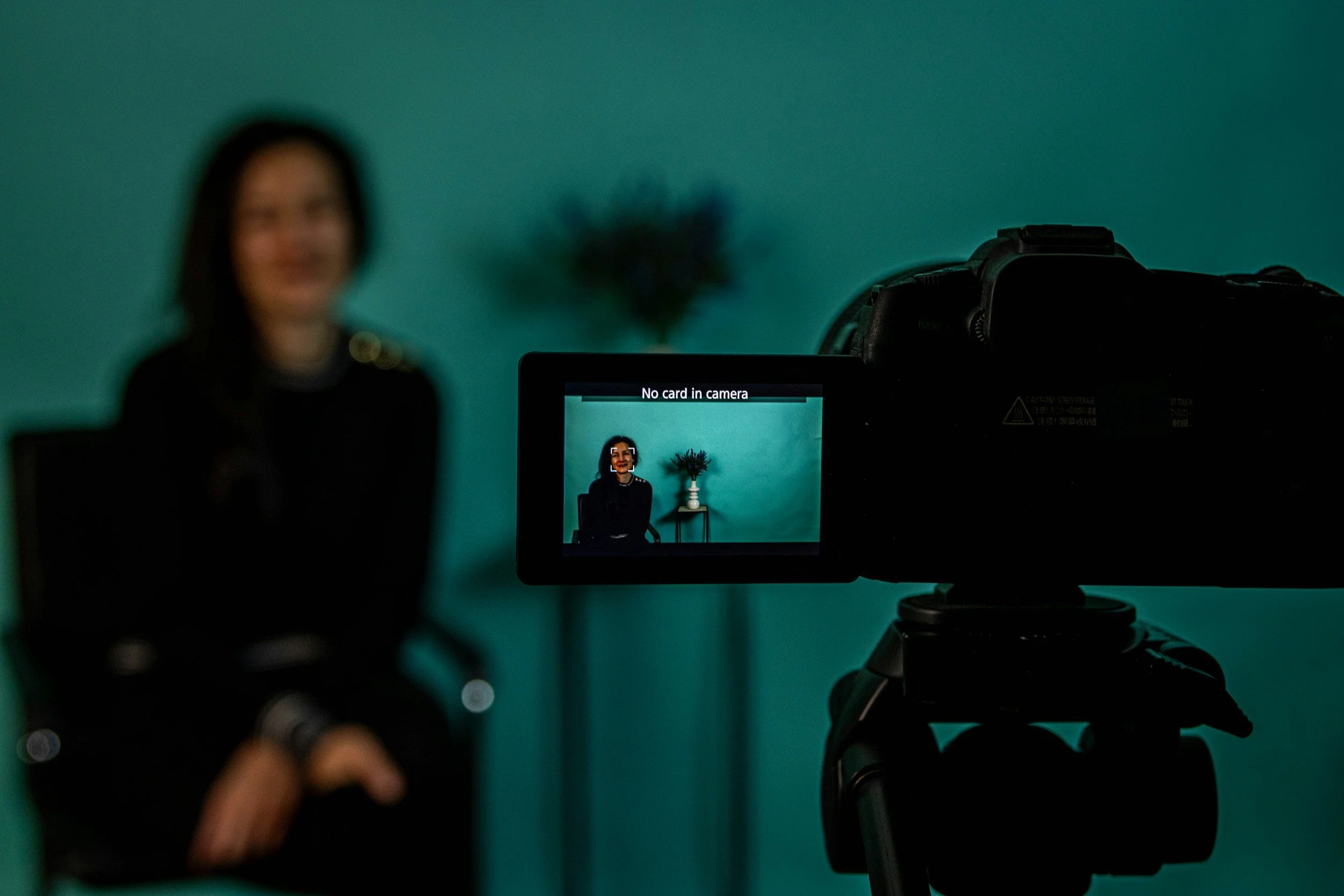
Self-Taping Like a Pro: The Practical Setup and Performance Skills Behind Great Audition Videos
The self-tape has become the dominant entry point for nearly every audition opportunity. Film, television, theater, voice acting, commercial work. Whatever you're auditioning for, you're probably submitting a video instead of (or before) showing up in person. The self-tape is your first chance to be considered, and it's a craft in itself.

Commercial Voice Acting: How to Sound Conversational When You're Reading From a Script
Commercial voice acting is its own discipline, distinct from animation voice work, video game voice acting, or audiobook narration. It has specific conventions, specific techniques, and a specific kind of capacity that doesn't always transfer from other voice work even for experienced performers.
The fundamental challenge of commercial voice acting: how do you sound like a real person genuinely sharing a thought, when you're actually reading copy that someone else wrote, often selling something you don't personally use?
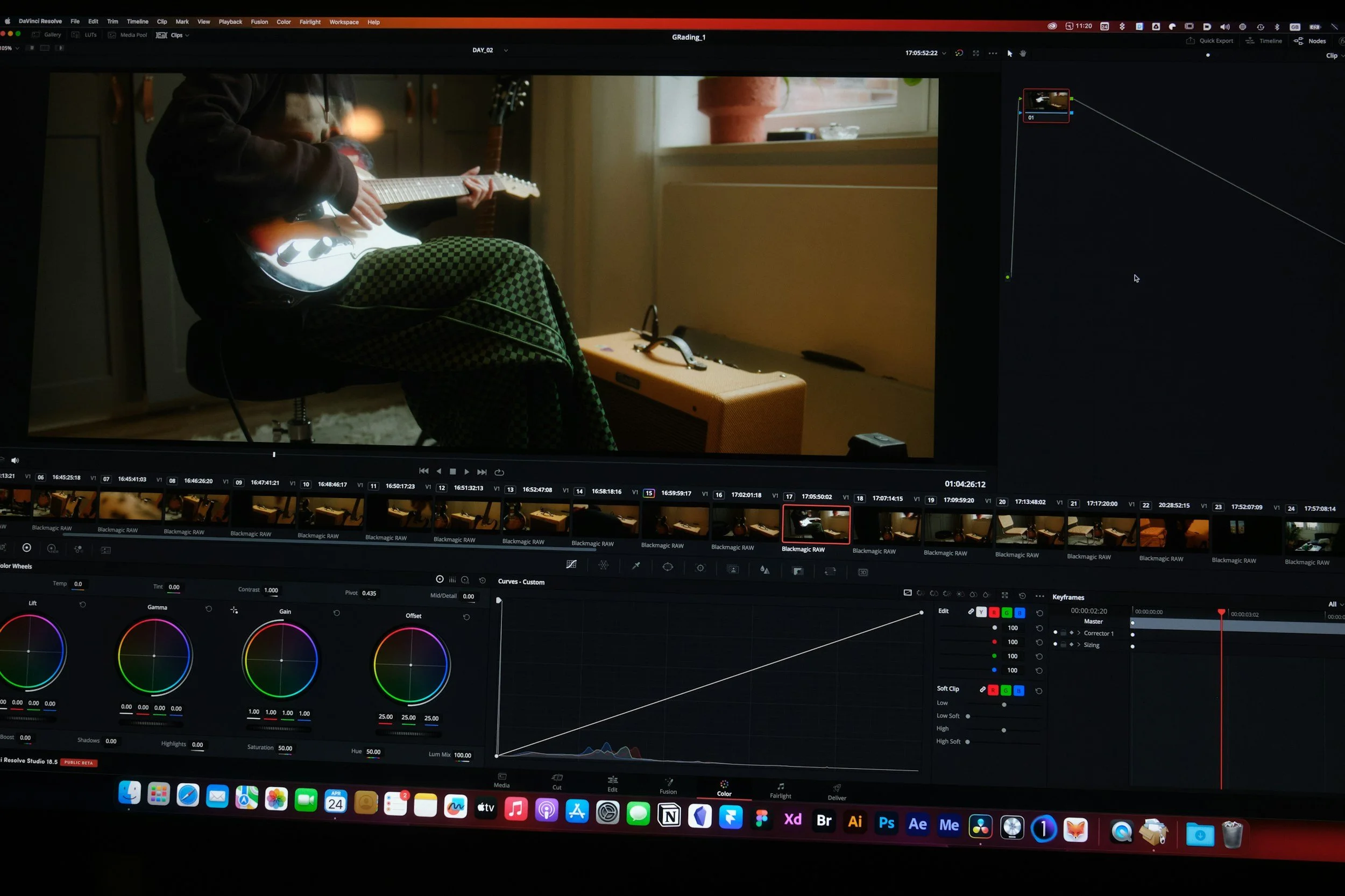
How to Study Celebrity Audition Tapes to Dramatically Improve Your Acting Self-Tapes
Here's something most acting classes won't tell you: one of the fastest ways to level up your self-tape game is to study audition tapes from actors who actually booked the role. Not their final performances in the film. Their auditions. The raw, imperfect, in-the-room reads that got them the job.

How to Audition for Community Musical Theater Without Losing Your Mind: An Honest Strategy from a Vocal Coach
If you've been thinking about auditioning for a community musical — or you've been auditioning for a while and you're wondering why the same handful of people keep getting cast and you don't — pull up a chair. I want to talk to you the way I'd talk to one of my students sitting across from me in a lesson. No fluff, no "ten easy tips" listicle stuff. Just what actually works.
Slating: How to Own the First Ten Seconds of Your Audition
Casting forms an impression of you in the first ten seconds. Not the first thirty. The first ten. That impression is built on how you walk in, how you stand, how you say your name, and how you set up your music. Your audition begins before you sing a single note, and most performers blow it before they have a chance to recover.
Audition Strategies for Video Games
Video game auditions are the most physically and vocally demanding voice acting work in the industry. A single audition might require you to record combat grunts, death screams, contemplative narration, comedic banter, and full-throated battle cries, all in different character voices, all in clean broadcast-quality audio, all in one take submission. Most aspiring voice actors are not prepared for what the format actually demands.
Why Your First 100 Voiceover Auditions Should Be Unpaid
So here's the reframe, and I want you to actually write it down: your goal is not to get cast. Your goal is to audition. Specifically, I want you to audition 100 times before you let yourself worry about a single booking. And for those first hundred, I want them to be unpaid.
Overcoming Stage Fright for Musical Theater Performers
Musical theater is the most stage-fright-inducing performance discipline currently practiced. You're singing, dancing, and acting simultaneously, in front of a live audience, often eight times a week, for months at a time. A bad night in an opera house is rare and contained. A bad night in a musical can mean missed dance steps, cracked high notes, dropped lyrics, and a chorus number that goes visibly wrong, all in a 90-second sequence. The cumulative anxiety load is real, and the performers who manage it well are the ones who treat it as a working discipline, not a personality issue.
How to Choose a Musical Theater Audition Coach
A musical theater audition coach is not the same as a voice teacher. A voice teacher builds the instrument. An audition coach helps you use it under the specific pressure of the audition room. The two roles overlap, and many coaches do both, but the distinction matters when you are deciding who to hire.