
Grammy-Award Finalist Topher Keene is widely regarded as one of America’s top Acting, Singing, and Public Speaking Coaches.
From teaching kids to sing their first solo, to helping Film and Television Stars perfect their roles, to helping pro Vocalists record hit albums, to helping YouTubers and Podcasters refine their vocal skills, to helping CEOs and Executives improve communication and presentation skills, Topher Keene can help anyone develop a powerful and confident voice and improve their performance skills.
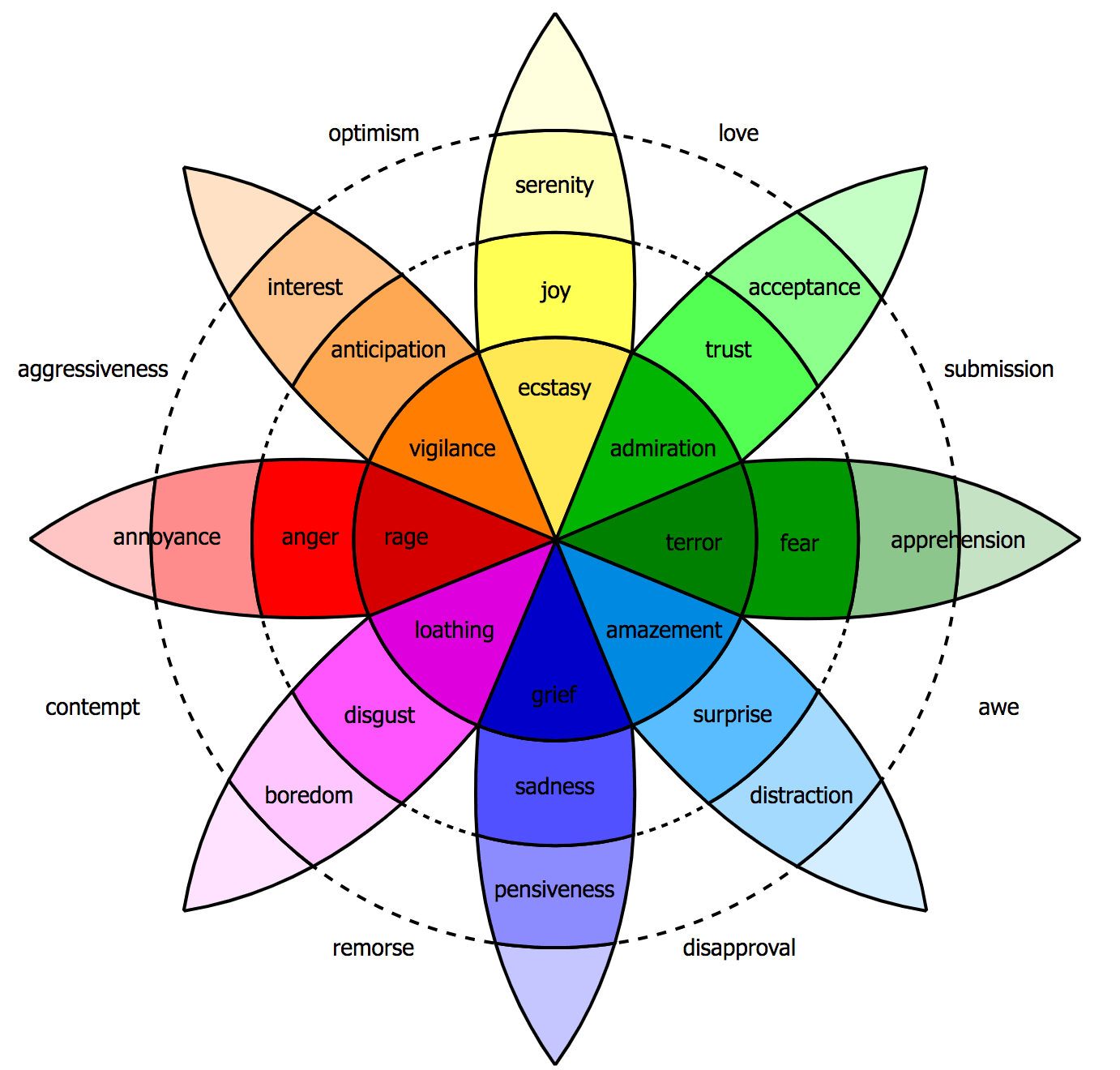
Why Your Acting Feels Flat (And How to Add Emotional Color to Every Scene)
You've probably had this experience: you read a scene out loud, you hit all the words, you don't fumble a single line, and then you watch the playback and think... that was so boring.
You weren't bad. You were technically fine. But there was nothing happening underneath the words. No texture. No life. Just a person reading a script accurately.
This is the single most common plateau actors hit, especially in early training. The good news is it's not a talent problem. It's a toolkit problem. You haven't been given the specific techniques for adding emotional dimension to a performance. So today, I want to walk you through the frameworks I use with students who are stuck in monotone delivery and want to break out of it.
How to Self-Critique Your Own Audition Tapes Without Losing Your Mind
If there's one skill that separates voice actors who level up quickly from those who plateau for years, it's this: the ability to watch or listen back to your own auditions without crumbling, and then actually learn something useful from the experience.
Most performers hate this part. They either refuse to listen to their own recordings at all, or they listen once, hate everything, spiral into self-criticism, and never extract any actionable information from the review. Neither approach helps you grow.

The Working Actor's Guide to Agent Representation: From First Headshots to Long-Term Career Strategy
You've been booking work. Maybe student films, maybe small indie projects, maybe a notable production that put you on someone's radar. And now an industry contact says the magic words: "I'd like to introduce you to my agent."
This is the moment a lot of actors discover they're not actually ready. Their materials are amateur. Their online presence is patchy. Their sense of what agents want, how the relationship works, and what they're supposed to bring to the meeting is hazy at best.
Advanced Vocal Technique for Film and Television Actors
Film and television acting has the most counterintuitive vocal technical demands in the performing arts. The camera is intimate, the microphone is close, and the actor is asked to sound like a real person having a real conversation — while delivering scripted material, on cue, after eight setup hours. The technical work is not to project. It is the opposite. It is to scale down the trained instrument to conversational volume without losing the underlying support, freedom, and clarity that make the voice expressive at any scale.

Working In an New Original Play/Musical: What Performers Need to Know About New Productions
There's a particular kind of theater experience that's nothing like working on an established show. You're cast in a brand new original production. The script is being revised during rehearsals. The songs might change. The running order shifts. The director is figuring out the show in real time, often alongside the performers.
Some of the most exciting performance experiences happen in original productions. So do some of the most chaotic ones. And the skills required to thrive in that environment are different from the skills that serve you in established repertoire.

Self-Tape Audition Mastery: How to Submit Video Auditions That Actually Book Roles
The video audition has become the standard entry point for most theater, film, and TV opportunities. The era of in-person initial auditions is largely over for many companies. What's replaced it is a workflow where you submit a video, casting reviews dozens or hundreds of submissions, and only a small percentage of submitters move forward to in-person callbacks.
This shift has changed the game in ways most performers haven't fully adapted to. The video audition has its own rules, its own pitfalls, and its own opportunities. The performers who understand the medium specifically have a significant advantage over those who treat it like a less-immediate version of an in-person audition.
The Open Casting Call: How Big Audition Opportunities Actually Work (And Why You Should Submit Anyway)
Every once in a while, an audition opportunity comes across your radar that feels almost mythical. A major studio is opening submissions to anyone who wants to apply. Disney is taking voice actor submissions. A network is doing open casting for a new show. The kind of opportunity that, in a previous era, would have required an agent, an industry connection, or a lucky break to even know about.
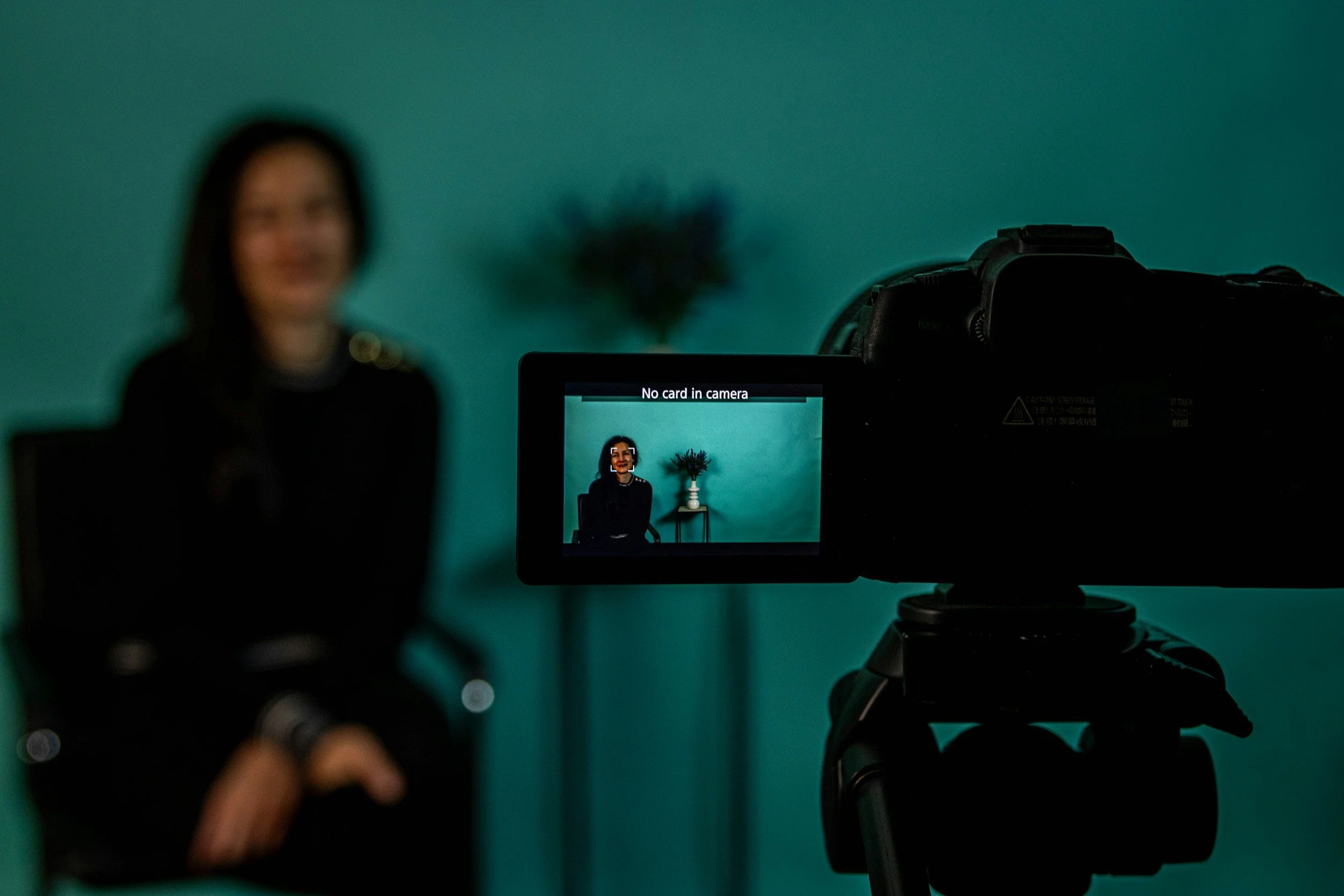
Self-Taping Like a Pro: The Practical Setup and Performance Skills Behind Great Audition Videos
The self-tape has become the dominant entry point for nearly every audition opportunity. Film, television, theater, voice acting, commercial work. Whatever you're auditioning for, you're probably submitting a video instead of (or before) showing up in person. The self-tape is your first chance to be considered, and it's a craft in itself.
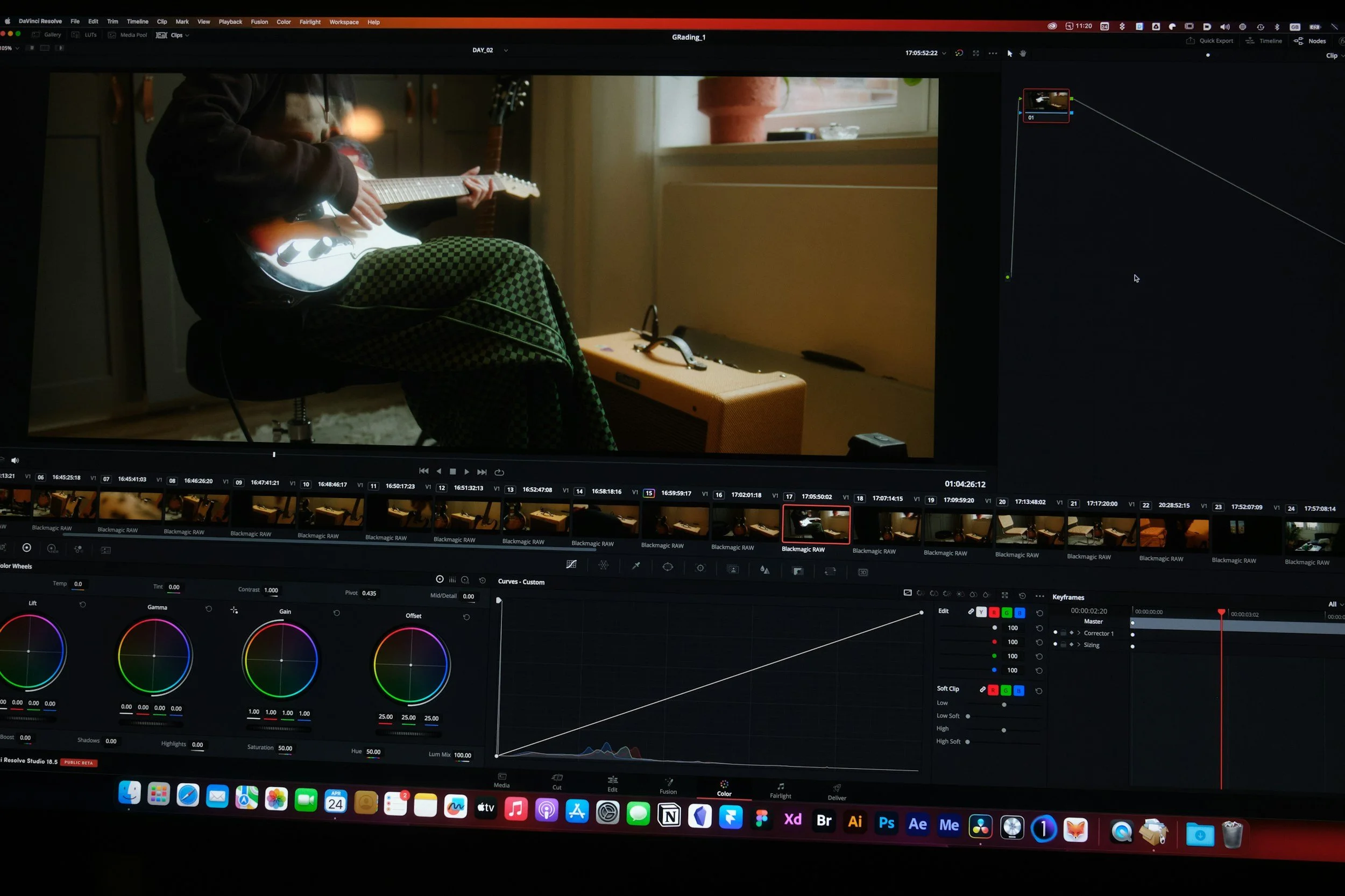
How to Study Celebrity Audition Tapes to Dramatically Improve Your Acting Self-Tapes
Here's something most acting classes won't tell you: one of the fastest ways to level up your self-tape game is to study audition tapes from actors who actually booked the role. Not their final performances in the film. Their auditions. The raw, imperfect, in-the-room reads that got them the job.

How to Audition for Community Musical Theater Without Losing Your Mind: An Honest Strategy from a Vocal Coach
If you've been thinking about auditioning for a community musical — or you've been auditioning for a while and you're wondering why the same handful of people keep getting cast and you don't — pull up a chair. I want to talk to you the way I'd talk to one of my students sitting across from me in a lesson. No fluff, no "ten easy tips" listicle stuff. Just what actually works.
Slating: How to Own the First Ten Seconds of Your Audition
Casting forms an impression of you in the first ten seconds. Not the first thirty. The first ten. That impression is built on how you walk in, how you stand, how you say your name, and how you set up your music. Your audition begins before you sing a single note, and most performers blow it before they have a chance to recover.
Choosing the Right Audition Monologue for a Musical Theater Audition
Most singers walk into musical theater auditions with their song carefully prepared and their monologue chosen the night before. They picked it because their cousin did it once. Because it was in a book of monologues at the library. Because somebody famous performed it on YouTube. Because it was the right length and they didn't want to think about it anymore.
Audition Strategies for Television Roles (On-Camera Acting)
Television auditions move faster, cast tighter, and reward a different set of skills than film auditions. TV is a volume business. A network drama shoots 22 episodes a year. A streaming series shoots 8 to 10. Every episode has guest stars, co-stars, and recurring roles that need to be cast in days, not weeks. The casting machine has to run fast and clean.

Overcoming Stage Fright for Film and Television Actors
Film and television acting has a strange relationship with stage fright. There's no live audience, no theater darkness, no waiting in the wings. The fear is supposed to live in stage acting, not in screen work. And yet most film and television actors I've coached describe specific, intense anxiety patterns that no theater background prepared them for — self-tape paralysis, slate-moment freeze-ups, first-day-on-set panic, the disorientation of acting with a name star they grew up watching.

Vertical Series for Actors: The Ultimate Guide to Booking, Surviving, and Getting Paid
Vertical series are everywhere right now. If you're an actor and you haven't heard of them yet, you will — and soon. These short-form, phone-first shows are pulling billions of views, launching new production companies monthly, and creating a pipeline of paid acting work that didn't exist a few years ago. For a lot of actors, especially newer ones, verticals have become one of the fastest ways to get on-set experience, build footage, land lead roles, and actually get paid for it.

Getting Started as a Film Actor in Phoenix, Arizona
Are you looking to pursue a career as a film actor in Phoenix, AZ?
If so, here are some tips to help you get started:
Take Acting Classes: Acting classes are a great way to learn the craft and improve your skills. Look for classes in Phoenix that focus on film acting and offer on-camera training. You can find classes at local acting schools, colleges, universities, community colleges, and online.


5 Tips for Actors Transitioning from Stage Theater to Film Acting
The transition from stage theater to film work can be daunting for actors. But with a little preparation and the right mindset, it can be a smooth and exciting experience. Here are some top tips for actors making the transition from stage to film.

Audition Strategies for Stage Plays & Musicals
Stage play auditions reward a different skill set than film or television. You will stand in a room, hold a monologue, project your voice without amplification, take direction at full performance scale, and demonstrate that you can sustain a character through a two-hour run. The intimate camera-friendly underplaying that books film roles will get you cut from stage auditions. Different medium, different game.